
Every square foot of office space represents a significant investment, yet many organizations waste thousands annually on underutilized areas and inefficient layouts. The most successful companies understand that efficiency isn’t about cramming more people into less space—it’s about ensuring every square foot serves a clear purpose that is aligned with your business objectives.
As commercial real estate costs continue to rise, businesses that pay premium rates for every square foot they lease or own suffer greatly when they have inefficient office layouts. When portions of your office sit underutilized or create workflow bottlenecks, you’re essentially paying rent on dead zones that generate zero return on investment. Strategic space planning has emerged as a direct cost-saving measure that appeals to CFOs and economic planners looking to measure efficiency gains. The financial impact extends beyond lease payments and includes payments on utilities, maintenance, and climate control for areas that contribute little to your bottom line. All of it adds up quickly.
That’s where office space efficiency audits come into play. By uncovering areas where you can improve agility, margins, and workplace culture, a comprehensive space efficiency audit reveals opportunities to maximize your ROI while boosting productivity.
Here are helpful tips for analyzing your space, identifying areas that could be better utilized, and ultimately maximizing your square footage.
Using Frame Space Planning to Conduct Your Space Efficiency Audit
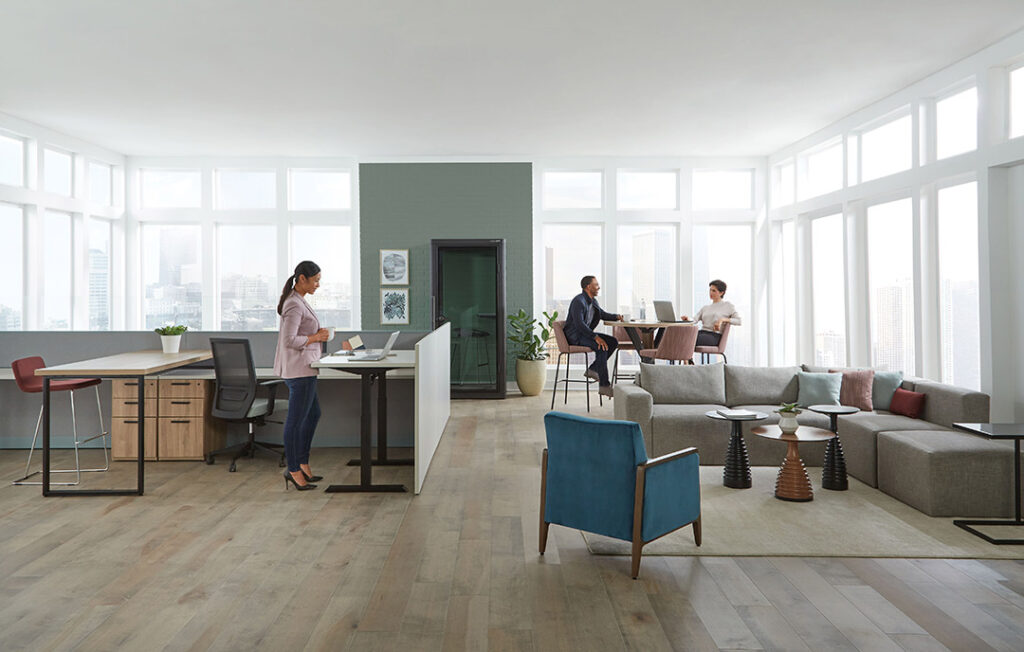
Frame space planning is a systematic methodology for analyzing and optimizing workspace utilization. This approach examines how your physical environment supports or hinders business objectives, employee productivity, and operational efficiency. Unlike cosmetic renovations or furniture upgrades, frame space planning addresses the fundamental structure of how space is allocated and used.
The process begins with comprehensive data collection, including occupancy patterns, departmental workflows, growth projections, and employee feedback. Advanced space planning tools can track actual usage rates, revealing the gap between perceived and real space needs. This data-driven approach ensures decisions are based on objective metrics rather than assumptions. To break it down step by step, frame space planning looks like this:
- Document your existing layout with accurate floor plans and current space allocations and identify dead zones.
- Track occupancy patterns over several weeks to understand actual usage versus designed capacity.
- Survey employees about workspace challenges, unmet needs, and underutilized areas.
- Calculate your cost per square foot including all occupancy expenses beyond base rent.
By understanding traffic patterns, collaboration requirements, and functional needs, businesses can redesign layouts that eliminate waste while improving workplace experience.
What’s a Dead Zone in Your Office Layout?
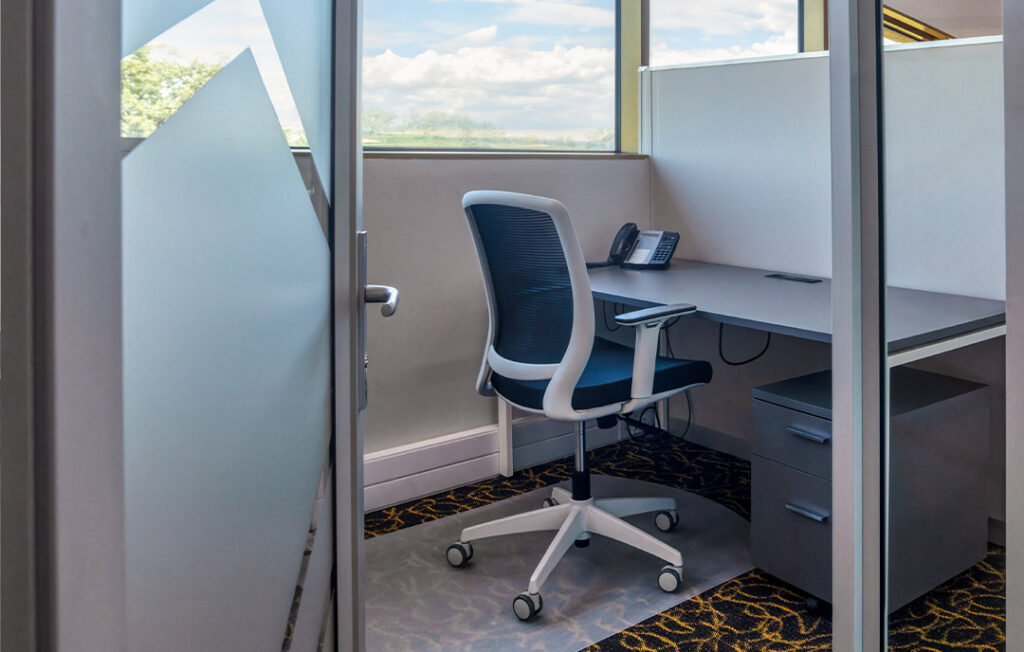
Dead zones are areas within your workspace that don’t serve a clear purpose or remain consistently underutilized. Common examples include oversized conference rooms that sit empty most of the day, wide corridors that consume premium square footage, unused corner spaces that become storage dumping grounds, and poorly configured break areas.
These inefficiencies will cost you over time. A 200-square-foot dead zone in a facility that costs $35 per square foot will cost your organization $7,000 annually in wasted rent alone. Multiply this across multiple under-performing areas, and the financial impact becomes substantial.
Solutions for Space Optimization
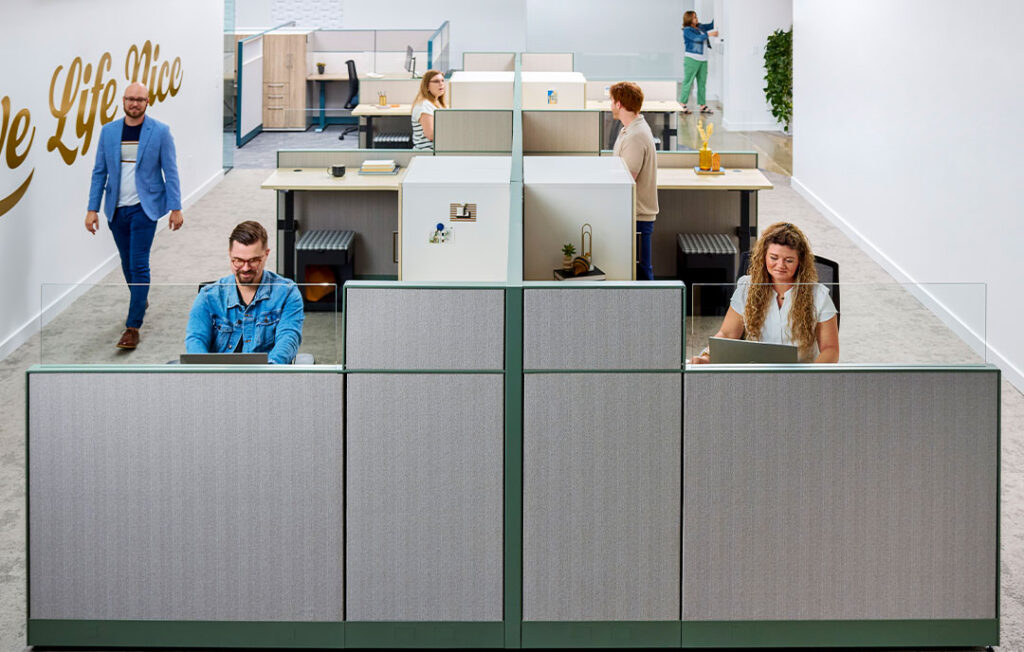
Once you have identified your problem areas, you can get to work optimizing your space. The following are proven methodologies and innovative design solutions that address common space efficiency challenges.
Flexible Workspace Design
Modular furniture systems and adaptable layouts allow spaces to serve multiple functions throughout the day. Conference rooms can transform into collaborative work areas, and private offices can open into team zones when needed. This flexibility ensures that spaces remain productive rather than sitting idle.
Right-Sizing Conference and Meeting Spaces
Many organizations over-invest in large conference rooms that rarely reach capacity. Although meetings often involve four or fewer people, many companies allocate substantial square footage to 12-person boardrooms. By creating a mix of appropriately sized meeting spaces, including huddle rooms and phone booths, businesses can reduce their conference room footprint while improving meeting availability.
Evaluating and Reconfiguring Circulation and Common Areas
Wide corridors and oversized lobbies often consume 20-25% of total office space. Look for ways to narrow walkways (while keeping them functional for those with disabilities), reclaim underutilized lobby space, and convert excessive common areas into productive work zones without sacrificing comfort or accessibility.
Strategic Storage Solutions
Disorganized storage represents one of the most common space inefficiencies. Vertical storage systems, centralized supply stations, and digital document management integration, among other workplace storage solutions, can minimize the footprint dedicated to storage while improving accessibility and organization.
Activity-Based Work Settings
Rather than assigning identical workstations to all employees, revamp your space planning to create diverse work settings that match actual job functions and activity type (such as focus work, collaboration, learning, socializing, etc.). By providing appropriate settings for each activity type, organizations reduce overall square footage requirements while enhancing employee satisfaction and productivity.
Measuring ROI on Space Optimization

The financial benefits of comprehensive space planning extend across multiple categories. Direct cost savings include reduced lease obligations through space consolidation, lower utility and maintenance expenses from a smaller footprint, and decreased furniture and equipment needs through flexible design.
Beyond direct cost savings, optimized spaces generate indirect value through improved employee productivity, enhanced collaboration, reduced real estate risk through flexible leases, and increased talent attraction and retention. These factors contribute to overall business performance in ways that extend far beyond the facilities budget.
Take Action on Space Efficiency

If you suspect your office layout is wasting valuable square footage, it’s time to do a comprehensive space efficiency audit. Gateway’s experts have been providing professional space audits to businesses in southern Texas and beyond for many years. We evaluate your current workspace, identify dead zones and inefficiencies, and develop practical solutions that deliver measurable ROI.
Don’t let another year pass you by while you’re paying premium rates for underutilized space. Reach out to Gateway to schedule your space efficiency audit and discover how strategic space planning can transform your real estate from a cost center into a competitive advantage.