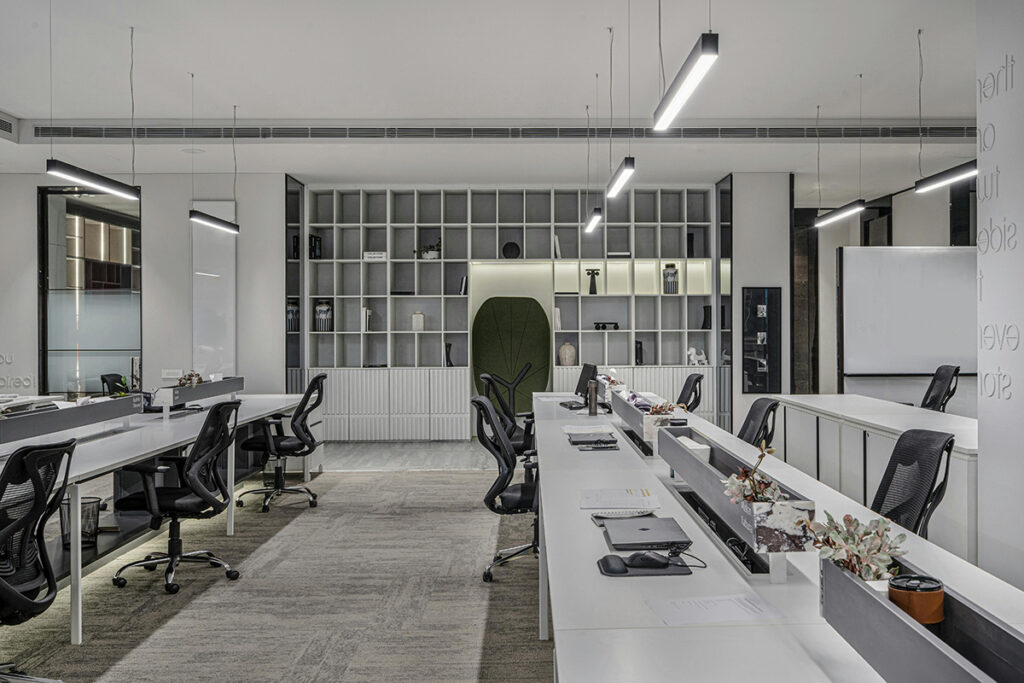
Office Furniture Choices for Inclusive, Multi-Generational Workspaces 

In many workplaces, it’s normal to find employees from four distinct generations working alongside each other. However, each generation has unique expectations for their office environment, as well as their own office furniture preferences. This can be a challenge when it comes to meeting individual employee needs and boosting productivity. If you’ve been keeping up with the evolution of office furniture, you’ll likely already have a handle on some of those generational differences. 

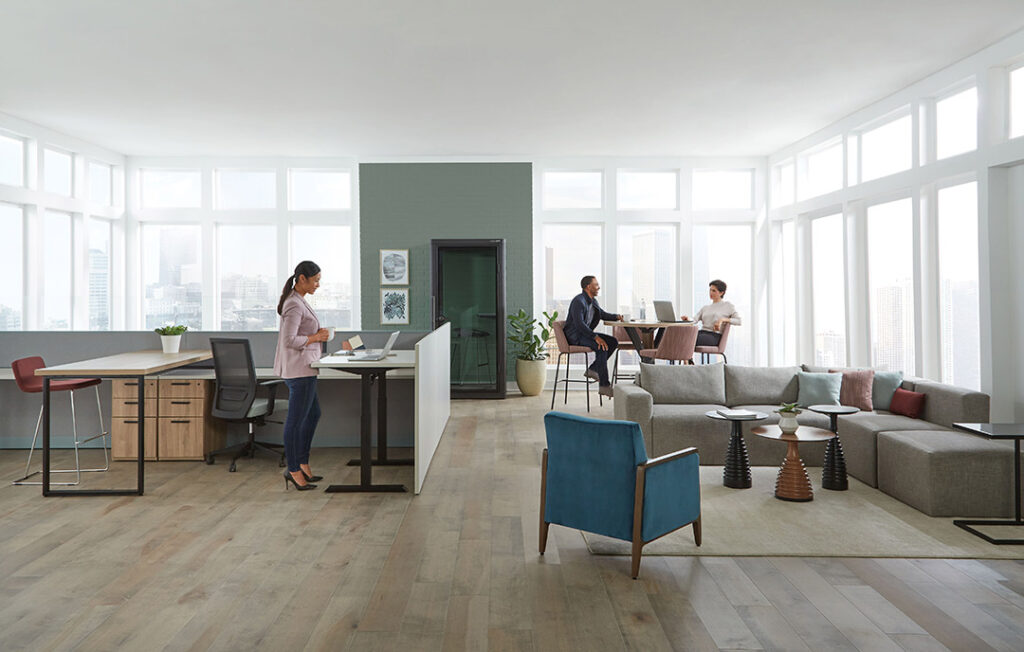
The most successful offices find common ground satisfying multiple generations simultaneously by providing high-quality ergonomic seating, adjustable workstations, and technology integration, additions that benefit everyone. The key is variety—traditional desks that coexist with benching systems, quiet focus areas to balance collaboration zones, and multiple seating types to accommodate different needs. Office furniture shapes your company culture and should never be overlooked. This is especially true when it comes to creating an office environment employees will want to work in.    

From Baby Boomers to Gen Z, we’ll explore what each generation values in their ideal workstation, breaking down preferences, and pointing you towards furniture choices that support each group while ensuring improved operations overall. 

Baby Boomers: Tradition Meets Function 

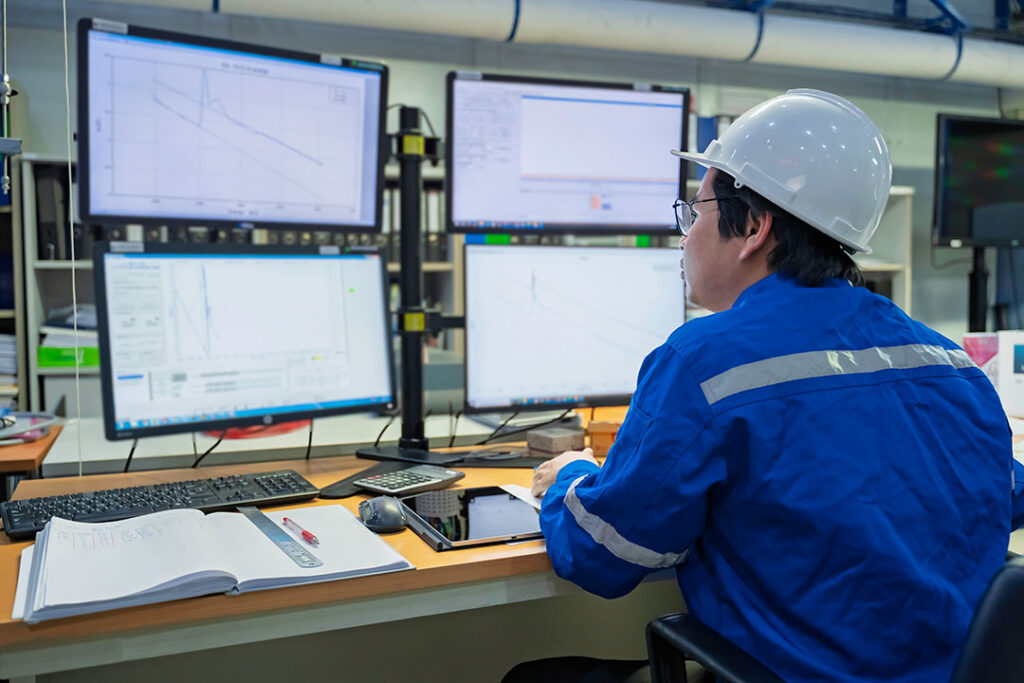
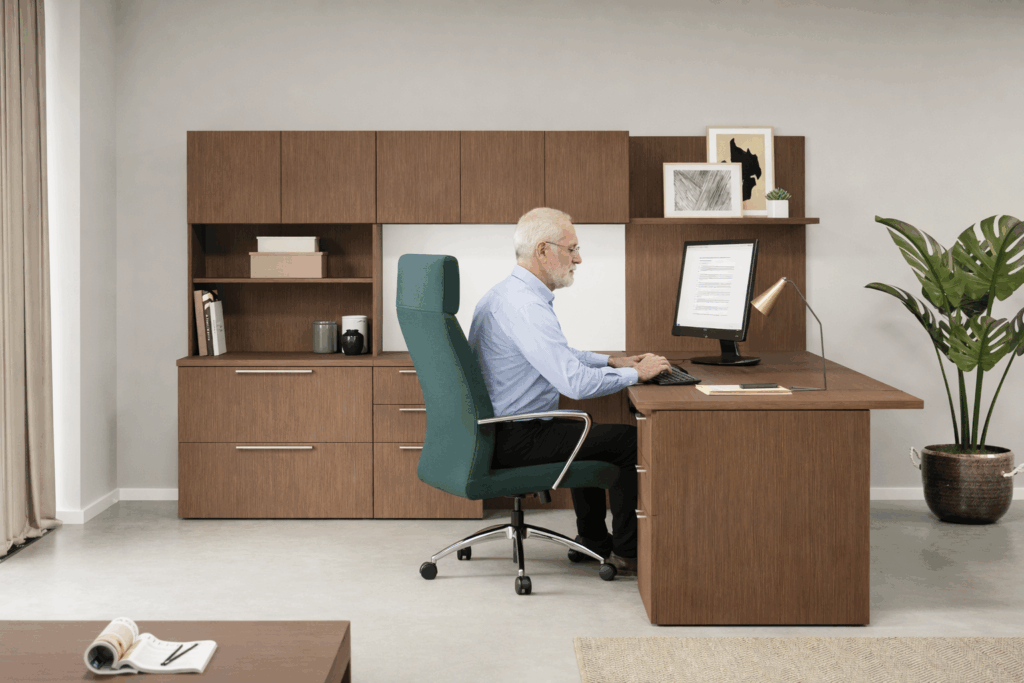
Executive Desk

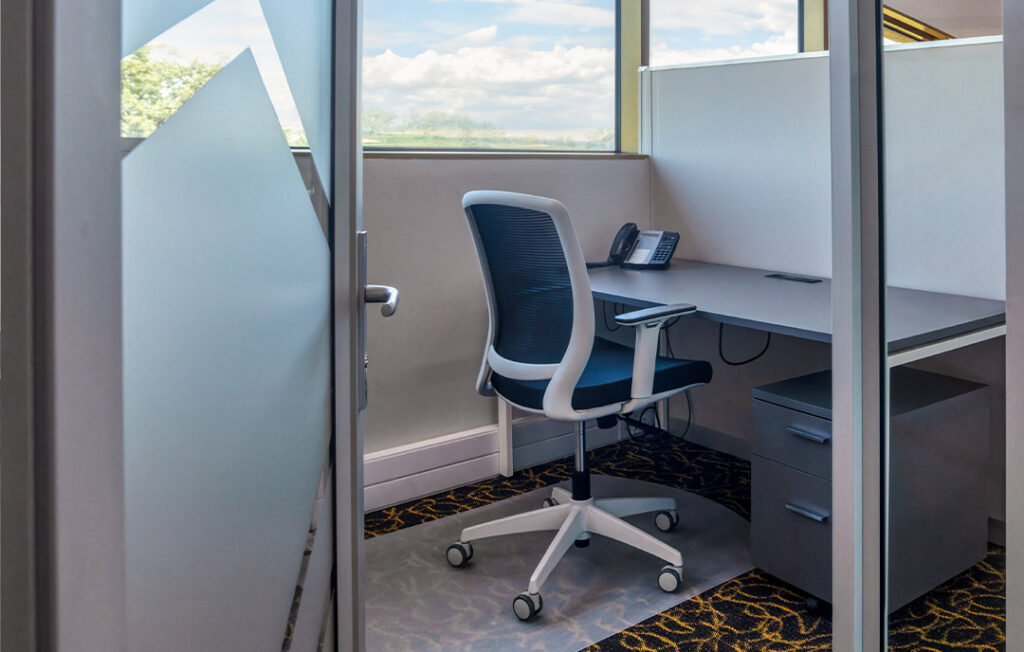
Baby Boomers value quality, stability, and professional aesthetics. They prefer executive-style desks with ample surface area, solid wood construction, and substantial storage solutions like filing cabinets and credenzas. Ergonomic support has become increasingly important, with high-quality task chairs featuring excellent lumbar support and sit-stand desk options growing in popularity. 

These preferences reflect decades in traditional office settings where substantial desks symbolize success. Boomers appreciate furniture that conveys professionalism and stands the test of time, valuing permanence and quality over trendy designs. 

Generation X: Balanced and Pragmatic 

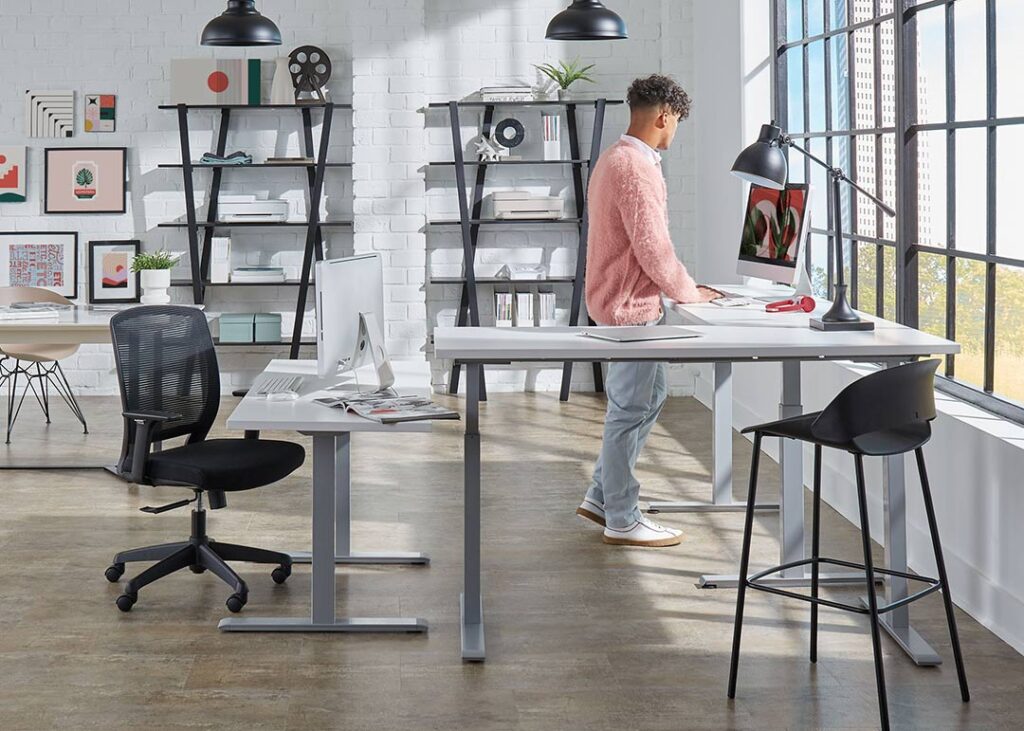
Adjustable

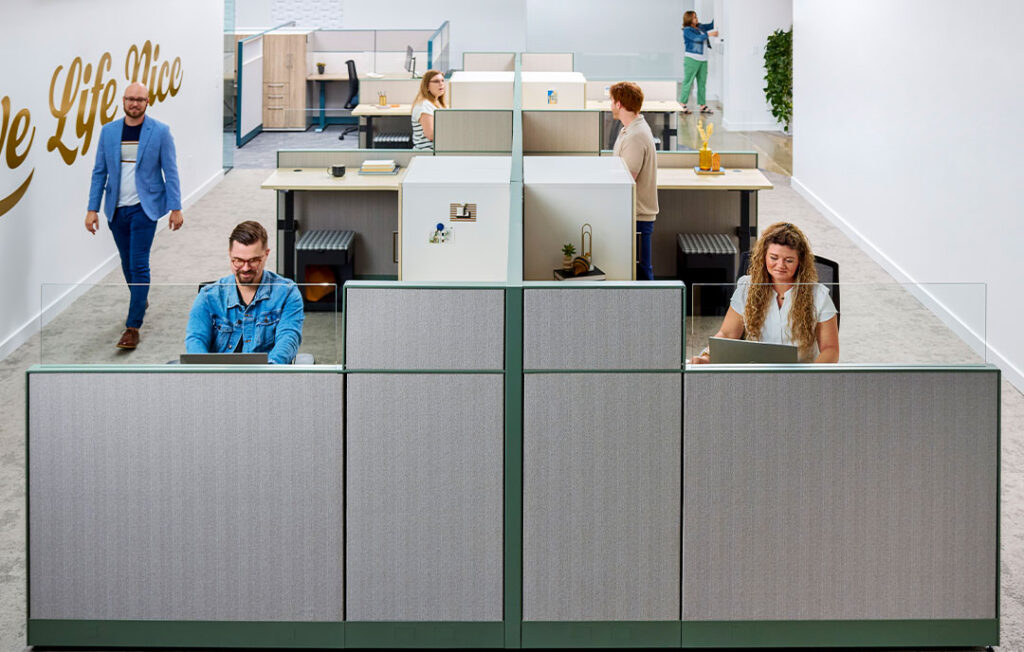
Gen X bridges traditional and modern workplace cultures. They favor versatile, modular furniture systems that adapt to different tasks. Height-adjustable desks appeal to their practical nature, while technology integration—built-in cable management, power outlets, and USB ports—is essential for their tech-savvy work style. 

Comfortable ergonomic seating matters, though they tend to skip the executive seating options that Boomers prefer. Mesh-back chairs providing support and breathability are popular for this generation of workers. Their storage needs fall somewhere between generations, as these workers want some physical filing capacity while also embracing digital storage solutions. As the generation that experienced the digital revolution firsthand, Gen X seeks quality and durability, with flexibility that supports contemporary work methods. 

Millennials: Collaborative and Health-Conscious 

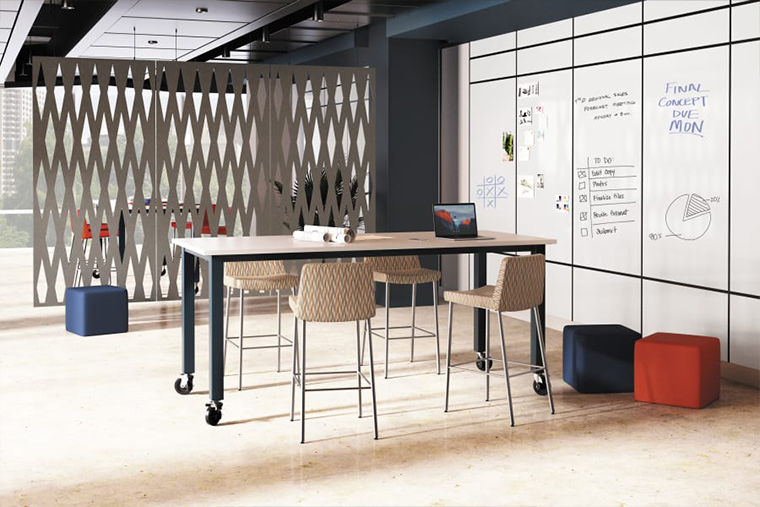
Millennials prioritize wellness, collaboration, and aesthetics. Sit-stand desks top their wish lists, reflecting their health-focused values. They appreciate agile workstations with collaborative furniture, benching systems, and shared worktables that support both individual focus and teamwork. Think mobile furniture that reconfigures easily aligns with their flexible work style. 

Design matters significantly—millennials want modern, attractive furniture creating inspiring environments. Clean lines and contemporary aesthetics contribute to the workplace culture they value. Minimal storage reflects their digital-first approach, preferring lightweight mobile pedestals over heavy filing cabinets. Having entered the workforce during rapid technological change, Millennials value flexibility and environments supporting physical and mental well-being. 

Gen Z: Mobile, Tech-Forward, Purpose-Driven 

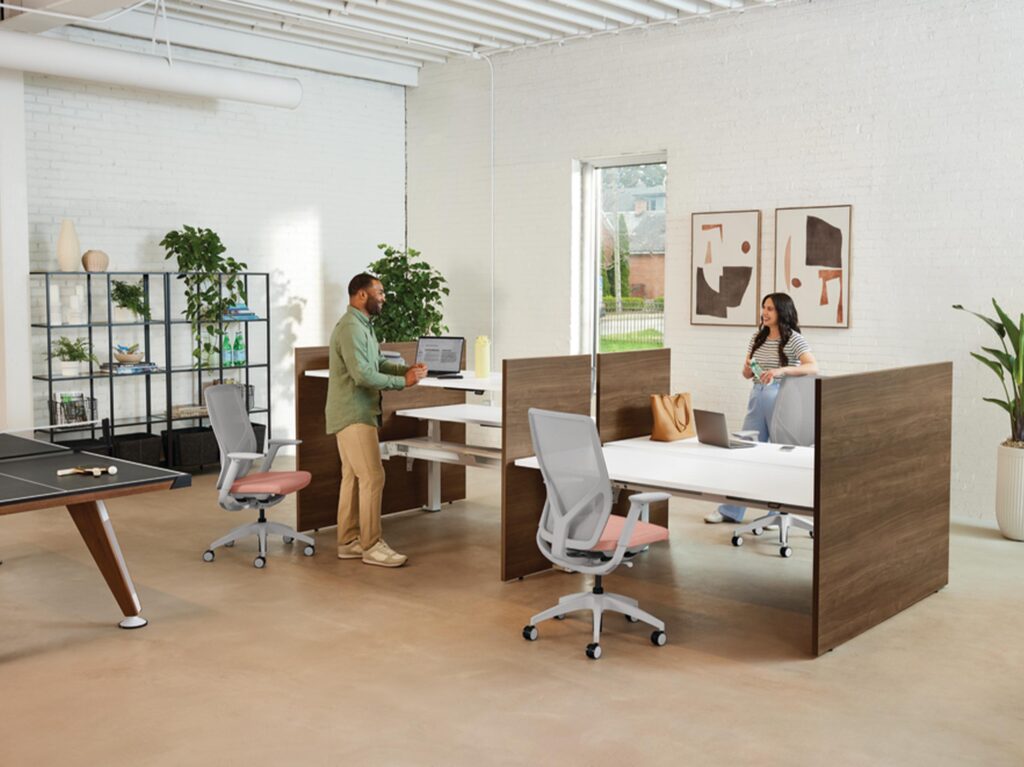
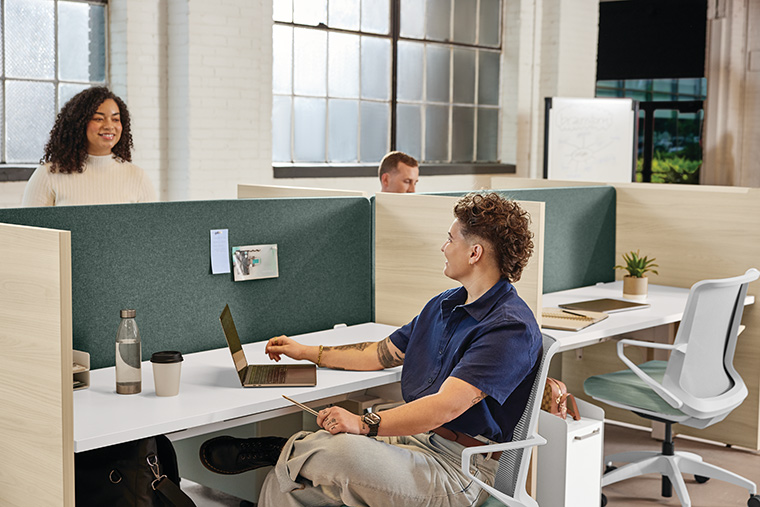
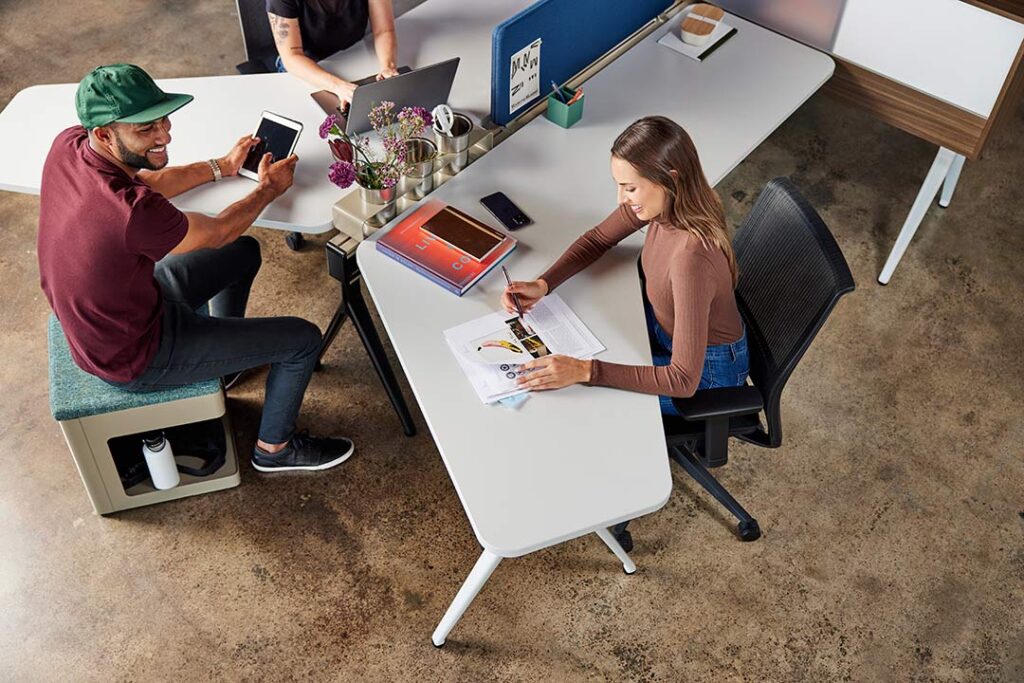
Office workers collaborating at multi-activity workstations.

Gen Z questions assigned desks, preferring activity-based environments where they choose appropriate settings for different tasks.

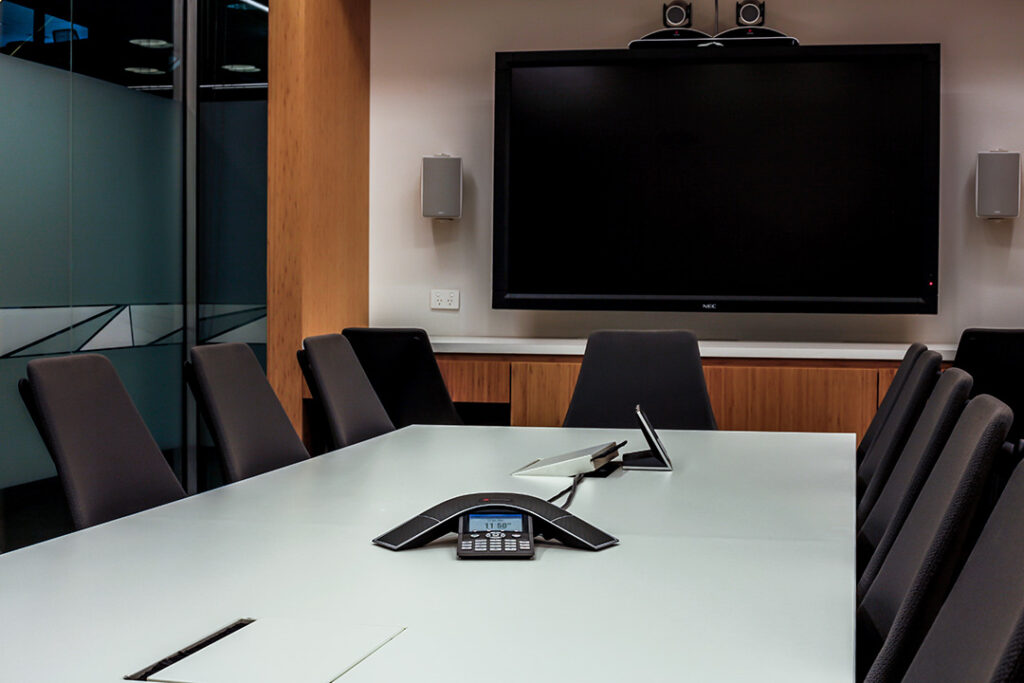
Hoteling stations, phone booths for private calls, and lounge seating for easy collaboration are all options that appeal to this generation. Technology integration must be seamless and wireless, with charging surfaces and abundant power options being offered.

Sustainable, ethical furniture choices also matter deeply to Gen Z workers. They want environmentally responsible, ethically sourced furniture that aligns with company values. Comfort comes in non-traditional forms: exercise ball seats, standing mats, and casual seating options will help these employees maintain focus and energy. Growing up with constant connectivity and witnessing climate change discussions, Gen Z values authenticity, purpose, and flexibility over traditional status symbols. 

Gen Alpha: Balance, Belonging, and Well-Being 

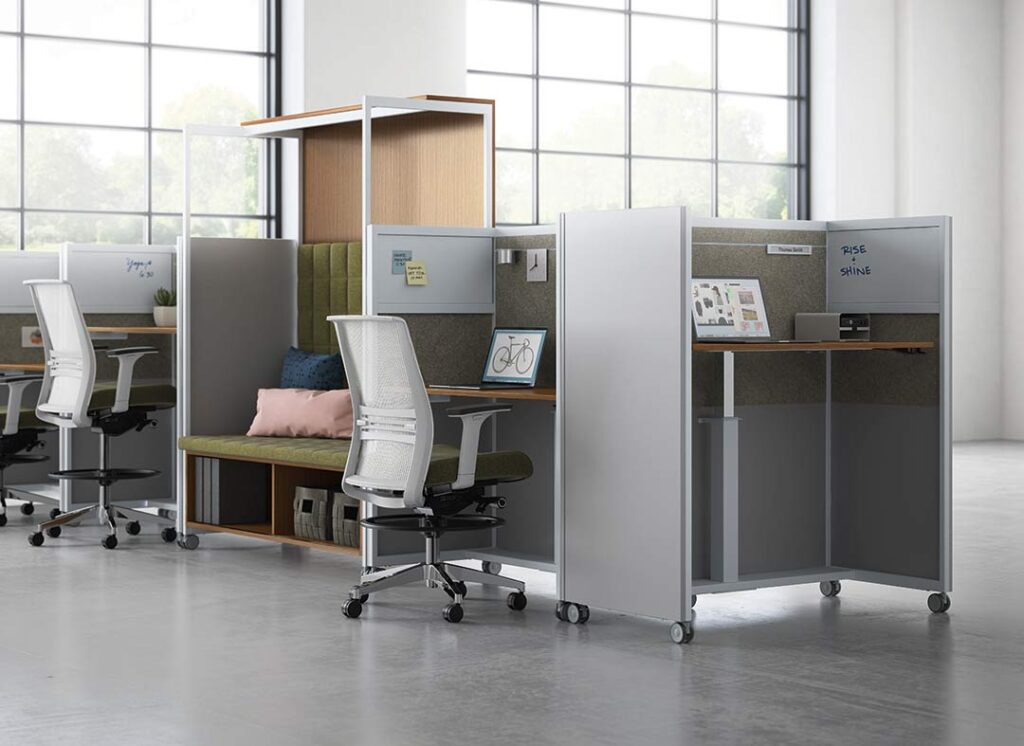
Modular workstations

Gen Alpha is an interesting cross-section of several older generations, in the sense that it favors a good balance between technology and comfortable off-line spaces. They prefer furniture that caters to flexible, sensory-centric work environments ideal for promoting collaboration, adaptation, and creativity, such as customizable desks, ergonomic setups, and control over environmental factors like lighting and sound. The most sensory-sensitive of the generations, they prioritize mental health and well-being.  

To meet their needs, workspaces should be varied, offering the option of focused zones as well as adaptable spaces with furniture that can be reconfigured for both solo work and collaboration. For this generation, authentic connection, personalization, and purpose-driven environments are key.  

Partner with Gateway Office Furniture 

Energetic man working on computer

It might seem overwhelming at first when you try to consider how best to optimize your space to accommodate such diverse wants and needs. That’s totally understandable. Creating office environments serving all generations requires expertise in space planning, furniture selection, and workplace strategy. That’s why it’s important to work with an office furniture and design company to help you achieve your goals.  

Gateway Office Furniture specializes in designing inclusive spaces that honor generational diversity while creating cohesive, functional environments. From corporate to healthcaregovernment to education, and even hospitality and beyond, we’ve been serving the workplace needs of the South Texas region for decades and know a thing or two about creating spaces that help your employees and your business thrive.  

Our team assesses your specific generational mix, work patterns, and culture before recommending solutions. From traditional executive desks to flexible sustainable options, we offer comprehensive solutions for every generation. Our expertise extends beyond furniture selection to space planning that maximizes square footage while accommodating diverse work styles. 

Ready to begin planning an inclusive office environment where every generation can thrive? Your employees across all age groups will thank you for creating a workspace that truly works for and celebrates everyone. 

Reach Out to Gateway Today! 

Lounges: The Unsung Havens of Office Collaboration & Creativity

Lounges: The Unsung Havens of Office Collaboration & Creativity

Walk into any thriving office space and you’ll notice something after a while: the best ideas aren’t happening in conference rooms. They’re brewing in those cozy lounge areas where people naturally gather, chat, and let their guard down. This is no accident—it’s a combination of human nature and smart design. Businesses that want to boost creativity and collaboration are no longer overlooking the value of communal spaces like lounges. Instead, they are investing in creating specific areas of the office designed to encourage people to come together to brainstorm and connect.  

According to research, innovation thrives in cozy spaces that encourage relaxation and connection. Why? Because when we’re physically comfortable, our brains shift from stress mode to creative mode. Cortisol drops, oxytocin increases, and suddenly we’re more open to new ideas and willing to take risks.  

You can quickly assess where these spaces are in your office by simply observing where people naturally congregate. Once you have a good idea of where these spaces exist, you can start implementing furniture into these spaces to allow for more spontaneous collaborations. 

People collaborating in office lounge area.

We’re going to take a closer look at why these spaces matter as well as provide some helpful tips on how to create them in your own office through smart furniture choices.  

Creating Your Innovation Zone: Furniture Selection That Works 

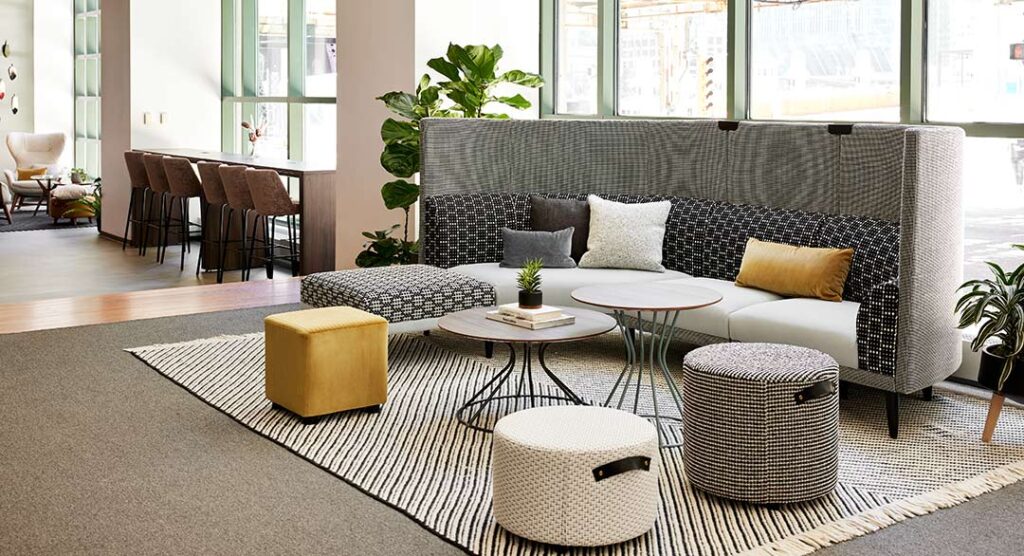
Lounge furniture

Not all lounge furniture is created equally. You can’t just throw a couple of worn-out sofas in a corner and call it a collaboration space. There are several reasons why you must think about this carefully. First, not putting any thought or effort into the spaces you create tells your employees that you see them and their well-being as an afterthought, which is never good for morale or productivity. Second, your bottom line matters, and when you don’t properly plan your furniture procurement and make smart investments, you can easily end up spending more money than necessary. Even worse, you could possibly spend too much money on furniture that is a poor fit for your space.  

So, how do you create the kind of space that promotes innovation and collaboration? Here’s what you need to do: 

Make Modular Seating Your Best Friend 

Flexibility is crucial. Look for pieces that can be rearranged easily, such as sectionals that split apart or ottomans that double as extra seating. Your team’s needs will evolve, and your furniture should evolve with them. 

Comfort Counts in a Big Way 

Comfortable office lounge chairs with proper lumbar support matter more than you think. People won’t use a space if sitting there means back pain twenty minutes later. Invest in ergonomic options that look inviting and feel even better. 

Variety is Key 

Some workers can brainstorm at their best when they are sprawled on a low couch. Others prefer a high-back chair where they can tuck into a corner. Mix seating heights, styles, and configurations to accommodate different working styles and group sizes. 

Smart Arrangement Tips for Maximum Impact 

Lounge area with acoustic sound barrier.

Location matters tremendously. Your workplace innovation zones should be near natural gathering spots—think close to the coffee station, between departments, or along main walkways. You want these areas to catch people naturally and not require a special trip. Again, consider where people congregate naturally and let that information work for you.  

If you have the space, create multiple zones with different vibes. Different tasks need different environments. Maybe one lounge area has bright, energizing colors and firm seating for quick stand-up chats. Another might feature deeper, cozier seating in calmer tones for longer brainstorming sessions.  

Don’t forget about sound, as acoustics can make or break a space. After all, nothing kills creativity faster than trying to think over someone’s loud phone call three feet away. Nothing kills creativity faster than trying to think over someone’s loud phone call three feet away. Choose your office acoustic solutions wisely by doing things like positioning acoustic panels strategically or choosing upholstered pieces that absorb noise.  

The Little Details That Make Big Differences 

Two office workers collaborating in a lounge area using laptops and mobile devices.

It’s all too easy to overlook the smaller details, but those small details pack a punch when it comes to creating comfortable, productive spaces. For example, people need somewhere to set up their laptops and coffee mugs, so make sure you add side tables. They also need accessible power outlets for their tech. Nothing’s more annoying than finding the perfect spot only to realize your phone’s dying and there’s nowhere to plug in. 

People naturally gravitate toward well-lit, warm spaces, so skip the harsh fluorescent lights, which kill the vibe you’re trying to create. Instead, layer lighting with floor lamps and table lamps. If possible, maximize natural light.  

Consider adding whiteboards or writable surfaces nearby. When ideas start flowing during informal conversations, you want people to be able to capture them immediately, not lose momentum hunting for a conference room. 

The ROI of Quality Lounge Furniture 

ROI

Workplace lounge furniture isn’t a perk for spoiled employees. It’s a strategic investment in how your team thinks, connects, and innovates. When people feel comfortable, they communicate better. When they communicate better, creativity flows. 

Think about it logically. Where do you have your best conversations? Probably not sitting in a hard, uncomfortable chair during a scheduled meeting. More likely, it’s when you’re relaxed, maybe grabbing coffee and congregating in a comfortable space where conversations just happen naturally. That’s exactly what well-designed office lounge seating creates—magical moments where collaboration happens organically.  

Companies investing in collaborative workspace furniture are doing more than making their offices look cool. They’re literally engineering environments that change how people think and work together. Google, Pixar, and other innovation leaders figured this out years ago. At the end of the day, creative office furniture design is as much about aesthetics as it is about productivity.  

Investing in high-quality lounge seating ideas pays for itself. When you create spaces where people want to collaborate, you’ll see shorter project timelines, better problem-solving, and stronger team relationships. 

Cheap furniture looks cheap, feels cheap, and tells your team you took the cheap route. Quality pieces communicate that you value their comfort, their ideas, and their contributions. That message matters. Plus, well-made furniture lasts. Those bargain pieces might save money upfront but replacing them every few years costs more in the long run. Not to mention, it’s simply disruptive. 

If you want to learn more about ways to boost productivity and improve workflow, check out our strategic office design tips and blog on how office furniture shapes company culture

Making It Happen with Gateway 

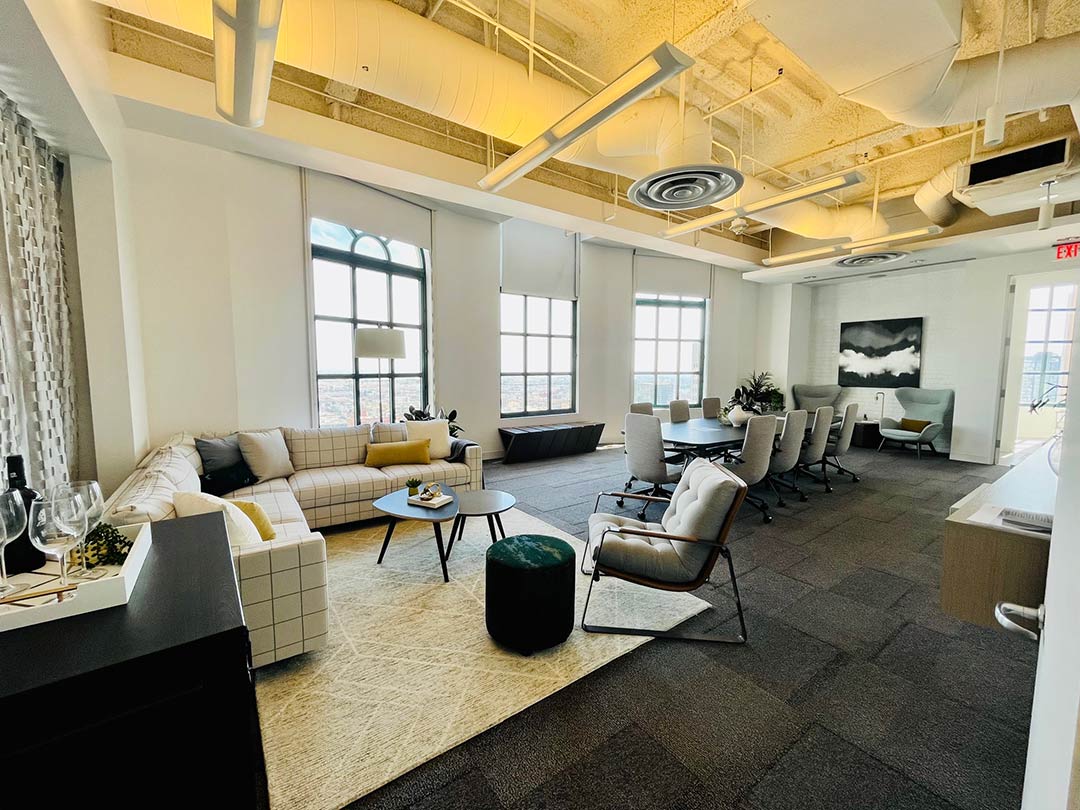
Lounge area

Your lounge areas should feel like the best coffee shop in town—comfortable, inviting, and buzzing with energy. Because that’s where the future of work is heading: less rigid, more human, and more comfortable. Gateway has the expertise and manufacturing relationships to help you make that happen.  

Gateway is the premier workplace furniture and design company in South Texas, serving all your South Texas workplace needs, from planning and design to furniture procurement and installation. If you’re ready to transform your office into a true innovation hub, reach out to our team and let’s work together to create the ideal lounge area to inspire the creativity and collaboration you need to succeed.  

Contact Us Today! 

Maximize Your Workspace with Office Space Efficiency Audits  

Maximize Your Workspace with Office Space Efficiency Audits 

Every square foot of office space represents a significant investment, yet many organizations waste thousands annually on underutilized areas and inefficient layouts. The most successful companies understand that efficiency isn’t about cramming more people into less space—it’s about ensuring every square foot serves a clear purpose that is aligned with your business objectives. 

As commercial real estate costs continue to rise, businesses that pay premium rates for every square foot they lease or own suffer greatly when they have inefficient office layouts. When portions of your office sit underutilized or create workflow bottlenecks, you’re essentially paying rent on dead zones that generate zero return on investment. Strategic space planning has emerged as a direct cost-saving measure that appeals to CFOs and economic planners looking to measure efficiency gains. The financial impact extends beyond lease payments and includes payments on utilities, maintenance, and climate control for areas that contribute little to your bottom line. All of it adds up quickly. 

That’s where office space efficiency audits come into play. By uncovering areas where you can improve agility, margins, and workplace culture, a comprehensive space efficiency audit reveals opportunities to maximize your ROI while boosting productivity.   

Here are helpful tips for analyzing your space, identifying areas that could be better utilized, and ultimately maximizing your square footage. 

Using Frame Space Planning to Conduct Your Space Efficiency Audit 

Open office setting with workstations, privacy booth, collaborating zone, and lounge area.

Frame space planning is a systematic methodology for analyzing and optimizing workspace utilization. This approach examines how your physical environment supports or hinders business objectives, employee productivity, and operational efficiency. Unlike cosmetic renovations or furniture upgrades, frame space planning addresses the fundamental structure of how space is allocated and used. 

The process begins with comprehensive data collection, including occupancy patterns, departmental workflows, growth projections, and employee feedback. Advanced space planning tools can track actual usage rates, revealing the gap between perceived and real space needs. This data-driven approach ensures decisions are based on objective metrics rather than assumptions. To break it down step by step, frame space planning looks like this: 

By understanding traffic patterns, collaboration requirements, and functional needs, businesses can redesign layouts that eliminate waste while improving workplace experience.  

What’s a Dead Zone in Your Office Layout? 

Empty, unused office cubical.

Dead zones are areas within your workspace that don’t serve a clear purpose or remain consistently underutilized. Common examples include oversized conference rooms that sit empty most of the day, wide corridors that consume premium square footage, unused corner spaces that become storage dumping grounds, and poorly configured break areas. 

These inefficiencies will cost you over time. A 200-square-foot dead zone in a facility that costs $35 per square foot will cost your organization $7,000 annually in wasted rent alone. Multiply this across multiple under-performing areas, and the financial impact becomes substantial.  

Solutions for Space Optimization 

Upbeat energetic office space setting.

Once you have identified your problem areas, you can get to work optimizing your space. The following are proven methodologies and innovative design solutions that address common space efficiency challenges.  

Flexible Workspace Design 

Modular furniture systems and adaptable layouts allow spaces to serve multiple functions throughout the day. Conference rooms can transform into collaborative work areas, and private offices can open into team zones when needed. This flexibility ensures that spaces remain productive rather than sitting idle. 

Right-Sizing Conference and Meeting Spaces 

Many organizations over-invest in large conference rooms that rarely reach capacity. Although meetings often involve four or fewer people, many companies allocate substantial square footage to 12-person boardrooms. By creating a mix of appropriately sized meeting spaces, including huddle rooms and phone booths, businesses can reduce their conference room footprint while improving meeting availability. 

Evaluating and Reconfiguring Circulation and Common Areas 

Wide corridors and oversized lobbies often consume 20-25% of total office space. Look for ways to narrow walkways (while keeping them functional for those with disabilities), reclaim underutilized lobby space, and convert excessive common areas into productive work zones without sacrificing comfort or accessibility. 

Strategic Storage Solutions 

Disorganized storage represents one of the most common space inefficiencies. Vertical storage systems, centralized supply stations, and digital document management integration, among other workplace storage solutions, can minimize the footprint dedicated to storage while improving accessibility and organization. 

Activity-Based Work Settings 

Rather than assigning identical workstations to all employees, revamp your space planning to create diverse work settings that match actual job functions and activity type (such as focus work, collaboration, learning, socializing, etc.). By providing appropriate settings for each activity type, organizations reduce overall square footage requirements while enhancing employee satisfaction and productivity.  

Measuring ROI on Space Optimization 

ROI

The financial benefits of comprehensive space planning extend across multiple categories. Direct cost savings include reduced lease obligations through space consolidation, lower utility and maintenance expenses from a smaller footprint, and decreased furniture and equipment needs through flexible design. 

Beyond direct cost savings, optimized spaces generate indirect value through improved employee productivity, enhanced collaboration, reduced real estate risk through flexible leases, and increased talent attraction and retention. These factors contribute to overall business performance in ways that extend far beyond the facilities budget. 

Take Action on Space Efficiency 

Office workers cheerfully Collaborating.

If you suspect your office layout is wasting valuable square footage, it’s time to do a comprehensive space efficiency audit. Gateway’s experts have been providing professional space audits to businesses in southern Texas and beyond for many years. We evaluate your current workspace, identify dead zones and inefficiencies, and develop practical solutions that deliver measurable ROI. 

Don’t let another year pass you by while you’re paying premium rates for underutilized space. Reach out to Gateway to schedule your space efficiency audit and discover how strategic space planning can transform your real estate from a cost center into a competitive advantage. 

Contact Us Today! 

Boost Productivity & Improve Workflow with Our Strategic Office Design Tips

Picture the scene: employees navigating crowded hallways, struggling to concentrate over ambient noise, or competing for meeting spaces during peak hours. These daily frustrations aren’t just minor inconveniences—they’re productivity killers that make employees lose focus, resulting in lower employee satisfaction. The solution lies in intelligent office space planning that addresses these challenges at their source. Here are some helpful tips on designing your workspace strategically to improve flow, productivity, and well-being.  

The Hidden Cost of Poor Office Traffic Flow 

Busy office environment

When office layouts fail to account for natural movement patterns, congestion becomes inevitable. High-traffic areas near printers, breakrooms, and conference spaces create bottlenecks that disrupt workflow throughout the day. Employees lose valuable minutes navigating poorly designed spaces, while those working nearby face constant interruptions from foot traffic. The chaos that results from these issues compounds during shift changes or lunch hours, transforming productive hours into frustrating obstacles. 

Strategic office space planning means assessing office traffic workflow and creating office congestion solutions based on analyzing how your team uses the workspace. By mapping employee movement patterns and identifying congestion points, intelligent design creates natural traffic lanes that keep people moving efficiently without disrupting focused work areas. The result is a smoother, more intuitive workspace where employees spend less time navigating and more time accomplishing their goals. 

Reduce Office Noise Through Thoughtful Layout Design 

Office acoustic sound wall absorbing barriers

Noise pollution ranks among the top workplace complaints, with studies showing that excessive sound levels can reduce productivity by up to 66%. Open office environments, while promoting collaboration, often create acoustic nightmares when improperly planned. The constant hum of conversations, ringing phones, and keyboard clatter makes concentration nearly impossible for tasks requiring deep focus. Not to mention, it’s plain old frustrating to be surrounded by clatter and aural chaos.  

Effective office space planning addresses noise at multiple levels. Sound-absorbing materials, strategic furniture placement, and designated quiet zones work together to create acoustic balance. High-collaboration areas are positioned away from focused work zones, while natural sound barriers—such as shelving and storage unitsarchitectural walls, and greenery—help contain noise without sacrificing an open feel. 

Zoning: The Foundation of Productive Workspace Design 

The concept of workplace zoning revolutionizes how we think about office layouts. Rather than treating all space equally, intelligent planning divides the office into distinct zones based on activity type and noise level. Quiet zones support deep work and concentration, collaborative zones encourage teamwork and creativity, and social zones provide space for informal interactions and breaks. 

This approach to office traffic flow ensures that each activity has an appropriate home, reducing conflicts between different work styles. When employees know where to go for specific tasks, they naturally situate themselves in the proper space for the work they need to do, eliminating congestion and creating a more harmonious work environment. The result is a self-regulating and more comfortable ecosystem where productivity flourishes. 

Productive Office setting

Measuring Success: The Tangible Benefits of Smart Space Planning 

Organizations that invest in professional office space planning see remarkable returns. Employee satisfaction scores increase as frustration with noise and congestion disappears. Productivity metrics improve as workers spend more time focused on their work and less time managing environmental distractions.  

Beyond these qualitative improvements, smart space planning delivers hard cost savings. Reduced office noise means fewer complaints and less turnover. Recruitment and retention benefit, as thoughtfully designed workspaces become a competitive advantage in attracting top talent. Improved traffic flow eliminates wasted time and space, allowing companies to accommodate growth without expensive expansions. The right layout even reduces wear on flooring and furniture in former congestion zones, lowering maintenance costs over time.  

Gateway’s Space Planning Expertise: Your Partner in Workplace Transformation 

Office floor plan

Gateway brings decades of experience in commercial office design, combining analysis with practical solutions that work in real-world environments. Our space planning process begins with understanding your unique challenges, from analyzing current traffic patterns to identifying acoustic problem areas and understanding how your teams collaborate. 

We then develop comprehensive solutions that optimize every square foot of your workspace. Our approach integrates ergonomic furniture placement, acoustic treatments, strategic zoning, and traffic flow optimization to create environments where employees thrive. We know the southern Texas market inside and out, and our client base includes customers that span from corporate to healthcare to education to government and beyond. Whether you’re renovating an existing space or designing a new facility, Gateway’s expertise ensures your investment delivers measurable improvements in productivity and employee satisfaction. 

Take the First Step Toward Better Workplace Productivity Design 

Office setting

Your workplace should support your team’s success, not hinder it. If noise complaints, congestion, or productivity concerns plague your office, intelligent space planning offers a proven solution. 

Gateway’s expertise transforms problematic workplaces into efficient, productive environments where employees can do their best work. If you’re based in southern Texas, schedule a workspace assessment today and discover how professional office space planning can solve your most persistent workplace challenges. 

Contact Gateway Today! 

5 Office Layout Mistakes That Kill Collaboration & How You Can Fix Them

5 Office Layout Mistakes That Kill Collaboration & How You Can Fix Them

You invested in a beautiful new office to energize your team, but something’s off. The buzz of collaboration you envisioned has been replaced by the constant hum of distractions. In worse situations, you might hear an unnerving silence instead. The problem often isn’t your people—it’s your plan. 

At Gateway Workplace Solutions, we understand that your physical environment is a powerful tool that can either unlock your team’s potential or quietly stifle it. After designing hundreds of successful workspaces, we’ve identified the five most common layout pitfalls that hinder teamwork—and more importantly, how to solve them. 

1. The All-Open Floor Plan (With No Escape) 

Crowded open office filled with multiple employees working at their desks.

The Problem: While open layouts aim to break down barriers, an undifferentiated sea of desks often creates a no-win situation: employees are too distracted for focused work and too conscious of disturbing others for spontaneous conversations. The result? Headphones on, heads down, and collaboration grinds to a halt. 

The Gateway Solution: We believe in balance, not extremes. Our design approach creates a “neighborhood” of diverse workspaces. We integrate sound-proof focus pods and phone booths alongside open team areas, giving employees the agency to choose the right setting for the task at hand. This empowers deep, collaborative work without sacrificing the open concept’s benefits. 

2. The Conference Room Black Hole 

Conference Room

The Problem: If your only collaboration options are a massive boardroom or a tiny huddle room that’s always booked, your teams are wasting valuable time just trying to find a place to meet. This forces impromptu discussions back into the open plan, causing disruptions, or worse, causes those conversations not to happen at all. 

The Gateway Solution: Gateway provides options for touchdown spaces designed for real-world needs. We incorporate a mix of quick-connect booths for two, mid-sized team rooms for four to six, and flexible town hall areas that can be reconfigured. This ensures there’s always a right-sized, bookable space available, making collaboration effortless, not a chore. 

3. The Leadership Island 

Leadership Office

The Problem: When the C-suite is sequestered in a separate corner office or floor, it creates a tangible divide. This physical separation can foster an “us vs. them” culture, stifling the vertical collaboration and open-door ethos that drive transparency and company-wide innovation. 

The Gateway Solution: We strategically integrate leadership into the flow of the workplace. By utilizing glass walls and placing executive workspaces within central, accessible locations, we maintain necessary privacy while promoting visibility and approachability. This breaks down hierarchical barriers and encourages the cross-pollination of ideas at all levels. 

4. The Barren “In-Between” 

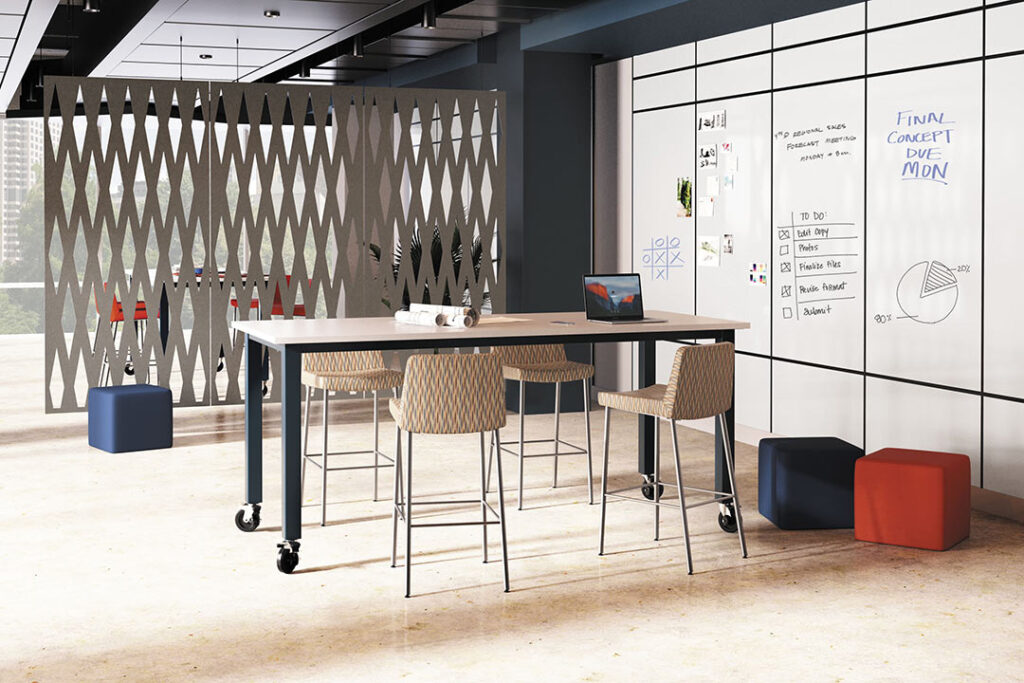
Office breakout space featuring an acoustic wall, movable desk, and high-top chairs.

The Problem: The most innovative ideas often spark from casual, unplanned interactions. If your office offers no inviting spaces between the desk and the conference room, you’re systematically eliminating these moments of serendipity. A blank hallway or a purely functional kitchenette does not inspire connection. 

The Gateway Solution: We specialize in activating your office’s “in-between” spaces. Gateway transforms dead zones into collaboration hubs—comfortable breakroom lounge areas with writable walls, inviting coffee bars, and widened corridors with casual seating. These areas become the social and intellectual heart of your office, naturally encouraging the connections that fuel creativity. 

5. Choosing a Showroom Over a Workroom

Attractive Office Space

The Problem: An office that prioritizes stark aesthetics over human comfort will never be a collaborative hub. If furniture is uncomfortable, lighting is harsh, or technology is difficult to use, people will avoid spending time there. A beautiful but impractical space is a liability, not an asset. 

The Gateway Solution: Our philosophy is Human-Centric Design. We seamlessly blend form and function, selecting ergonomic furniture, optimize natural light, and ensure every collaboration space is equipped with intuitive technology. We create environments that people are drawn to—spaces that are not only beautiful to look at but genuinely comfortable and effective to work in. 

Stop Compromising, Start Optimizing 

Your workplace shouldn’t be a compromise. It should be a strategic asset designed for how your people actually work. Contact Gateway Workplace Solutions today for a Space Planning & Design Assessment. Our experts will analyze your current layout and provide a clear roadmap to transform your office into a dynamic, collaborative, and productive environment.  

Let’s build a space that works as hard as your team does. 

Optimize Your Office Layout with Gateway

The Power of Creating Inclusive, Compliant Workspaces

The Power of Creating Inclusive, Compliant Workspaces

When businesses think about ADA compliance, they often see it as a checkbox—a legal requirement to meet rather than an opportunity to innovate. But forward-thinking companies are discovering that designing an accessible and inclusive workspace isn’t just the right thing to do. It’s strategic business thinking that attracts top talent, reduces liability, and creates an environment where all employees can thrive.

Why Compliance Matters for Your Business 

Handicap accessibility sign with an arrow pointing toward the building entrance.

The Americans with Disabilities Act requires that workplaces be accessible to employees and visitors with disabilities. Yet compliance goes far beyond installing a ramp or a handicapped parking space. True accessibility is woven into the fabric of your office design and translates into creating an office environment that considers everyone’s needs and comforts. This shows up as adjustable ergonomic furniture to flexible floor plans, strategic spacing, and thoughtfully positioned workstations, to name a few. When done right, an accessible, inclusive, compliant workspace looks seamless, feels modern, and demonstrates genuine commitment to inclusion and safety. 

Beyond Furniture: Strategic Modern Workspace Design 

Modern office workspace with ergonomic desks, partitions, and a wheelchair positioned at one workstation.

Businesses that invest in building strategic modern workspaces understand that creating a compliant modern workspace extends well beyond what desks and chairs you choose. It means looking at how you set up your space overall and harnessing the power of design to both meet ADA standards AND build an inclusive, accessible environment for all.  

At Gateway, our design team analyzes traffic patterns, assesses ergonomic needs, and designs configurations that accommodate employees of all abilities while maintaining the aesthetic and productivity standards your company deserves. We do this in many ways. Some examples include: 

  • Integrating items like height-adjustable desks for wheelchair users 
  • Providing open sightlines for those with mobility aids 
  • Offering acoustic solutions for employees with sensory sensitivities 
  • Creating flexible workstation layouts that adapt to individual needs  

The result? Workspaces that go beyond mere accommodation to feel intentional and thoughtful and employees who feel welcome and safe.  

Protecting Your Business While Building Culture

Legal representation showing judges gavel, justice scale, and legal papers.

Another headache from non-compliance? Costs. To put it bluntly, compliance failures can sink your business. Beyond legal exposure and settlements, ADA violations damage company reputation and morale.  

On the other hand, businesses known for genuine accessibility gain a competitive advantage in recruiting and retaining top talent, especially with regards to younger generations, who increasingly expect employers to prioritize inclusion. 

By proactively designing compliant workspaces, you’re not just managing risk. You’re building a culture that tells employees: “We value you, we’ve thought about your needs, and we’re invested in your success.”  

South Texas Expertise with National Reach 

As one of the largest independent office supply distributors in the country, we bring both local knowledge and national resources to every project we tackle.

Including corporatehealthcareeducationgovernment, and hospitality, we serve a wide range of markets and industries. We understand South Texas businesses—our communities, our growth, and our values – and we are proud to serve them and create workspaces that reflect their commitment to inclusion.

Our office design team stays current on ADA standards, accessibility innovations, and design trends, ensuring your workspace is compliant today, tomorrow, and beyond. Check out some examples of our work to get a sense of what we can offer you.   

Whether you’re re-configuring existing office space or designing a new location or simply looking to upgrade certain furniture, we can help you navigate accessibility requirements and focus on what’s best for your business, your budget, and your employees. 

Ready to build a better office environment? 

Contact Us Today! 

How to Select Versatile Office Furniture for Your Startup or Small Business

Starting a new business or running a small business comes with their own set of challenges, and furnishing your office shouldn’t add to that stress. Selecting the right office furniture can make a significant difference in your workspace’s efficiency, comfort, and overall vibe. It’s not just about picking chairs and desks; it’s about creating an environment that fosters productivity, reflects your brand, and can grow with your company.  

In this guide, we’ll dive into practical advice for choosing versatile, cost-effective pieces that meet your business’s evolving needs. From multifunctional pieces to space-saving solutions, we’ll cover everything you need to know to make informed decisions. Plus, discover how partnering with Gateway can help you achieve a stylish, functional workspace without breaking the bank. 

Multi-Functional Furniture 

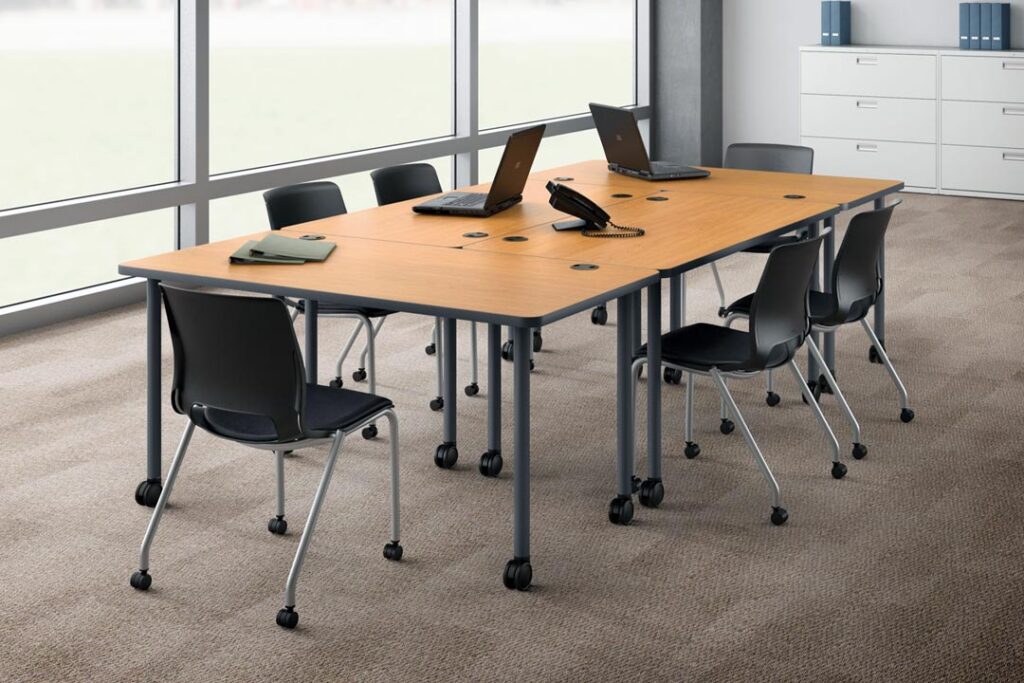
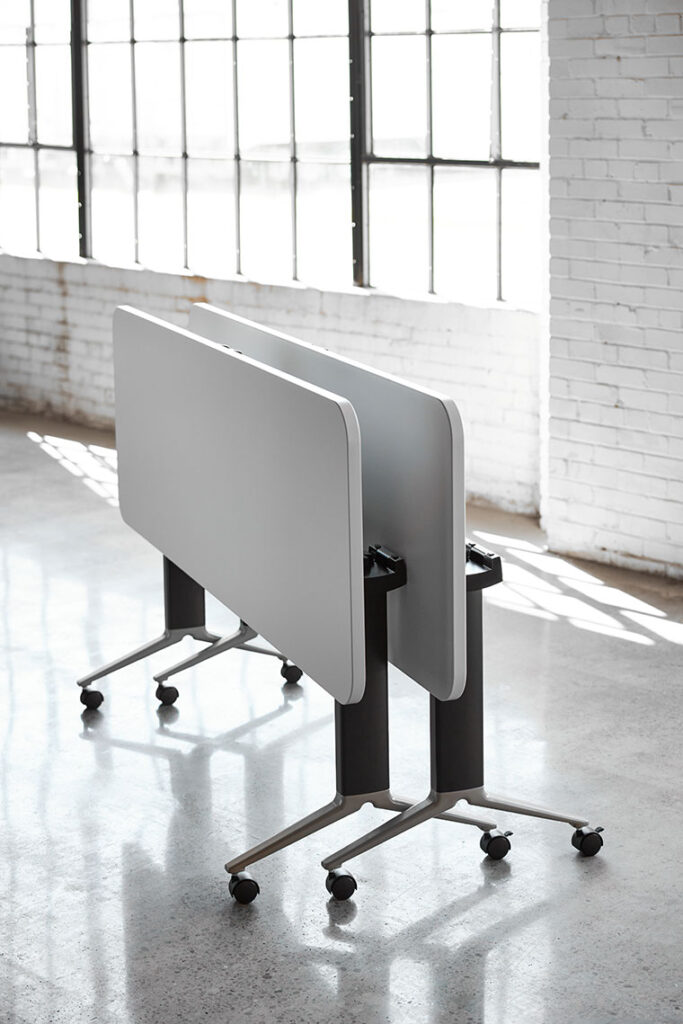
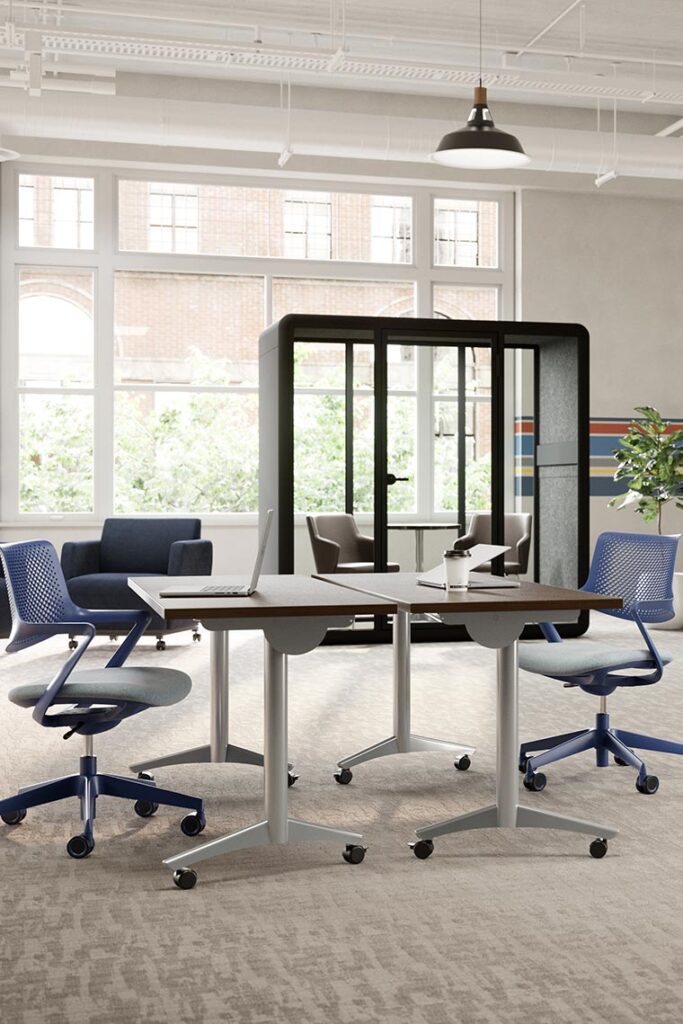
Folding training tables with wheels
Traing table adjusted into open office workstations.

In the world of startups and small businesses, versatility is key. Every piece of furniture should ideally serve more than one purpose to make the most of your limited space and budget. Imagine having a conference table that also functions as a communal workspace, or a desk that includes built-in storage compartments. These multi-functional pieces are essential for maximizing both space and utility. 

One of the best investments you can make is in modular furniture. Desks and tables that can be easily reconfigured to meet changing needs are perfect for a dynamic work environment. Whether you’re hosting a team meeting or need separate workstations, modular pieces adapt effortlessly. Items like foldable desks and mobile file cabinets are perfect examples of dual-purpose furniture. They can be easily moved or stowed away as required, offering you the flexibility to create an adaptable workspace.  

Gateway recognizes the importance of flexibility and offers a range of multi-functional office furniture designed to meet these needs. From modular desks to versatile storage solutions, our products help you create a productive and collaborative workspace, even in limited quarters. 

Space Saving Solutions 

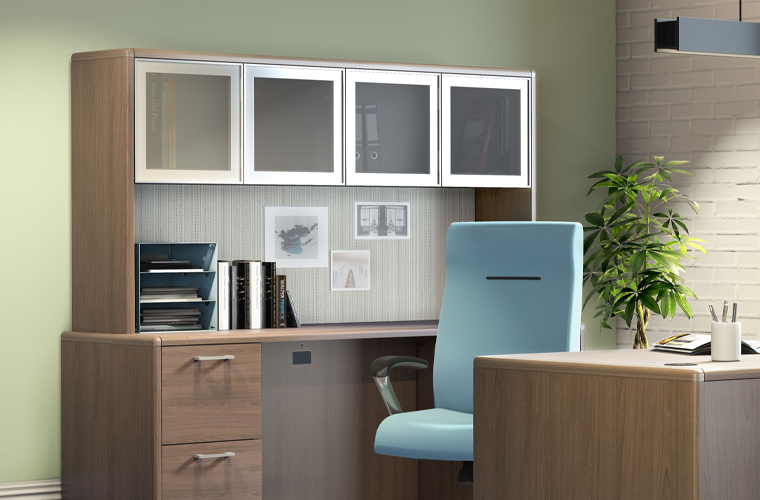
Office desk with overhead storage.

Small businesses often operate in compact spaces where every square foot counts. Space-saving solutions are crucial in such environments. Think vertically to maximize your storage options — wall-mounted shelves and vertical file organizers are excellent ways to make use of underutilized space. Desks with overhead storage can also help keep your office tidy while providing easy access to essentials. 

Another effective approach is choosing furniture that can be tucked away when not in use. Stackable chairs and foldable desks offer the flexibility to create open space when necessary. Additionally, sliding doors or partitions can transform a single room into a multifunctional area without the need for permanent structures. 

Consider your office layout and how traffic flows through the space. Choosing streamlined furniture with clean lines can make a room appear larger and more open. At Gateway, we offer sleek and efficient space-saving designs that cater to the specific needs of small businesses, helping you create a functional workspace without compromising on style or aesthetic. 

Cost Effective Does Not Equal Cheaply Made 

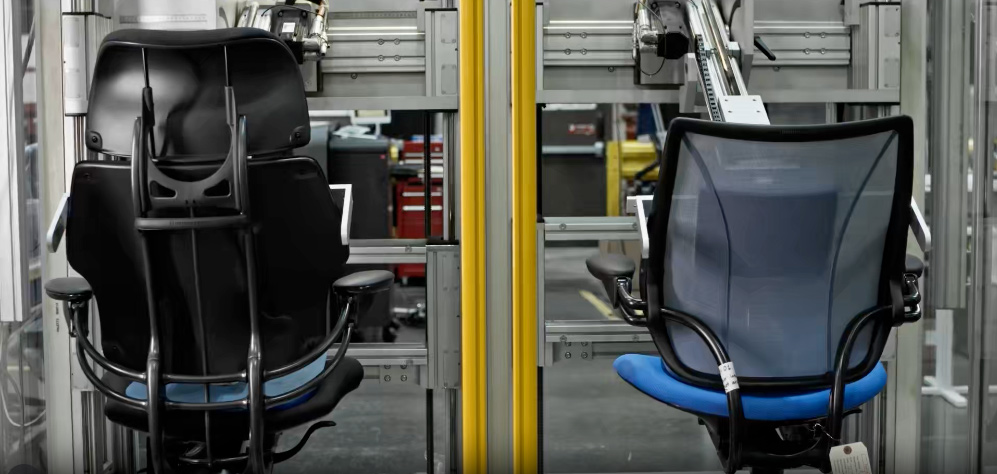
Assembly line showing office chairs being assembled.

A common misconception is that cost-effective furniture equals poor quality; this couldn’t be further from the truth. It’s entirely possible to find budget-friendly office furniture that is well-made and durable. The key is to look for pieces that offer good value for money, balancing price with quality and functionality. 

Consider materials that are known for their durability, such as metal or hardwood, which can stand the test of time and frequent use. Opting for furniture with a warranty can also provide peace of mind and assurance of quality.  

At Gateway, we pride ourselves on providing affordable office furniture solutions that do not compromise on quality. Our procurement services are designed to help startups and small businesses furnish their offices with stylish and robust products within their budgets. We work closely with you to ensure that every piece of furniture meets your standards and supports your business goals. 

Your Trusted Partner in Office Furniture Selection 

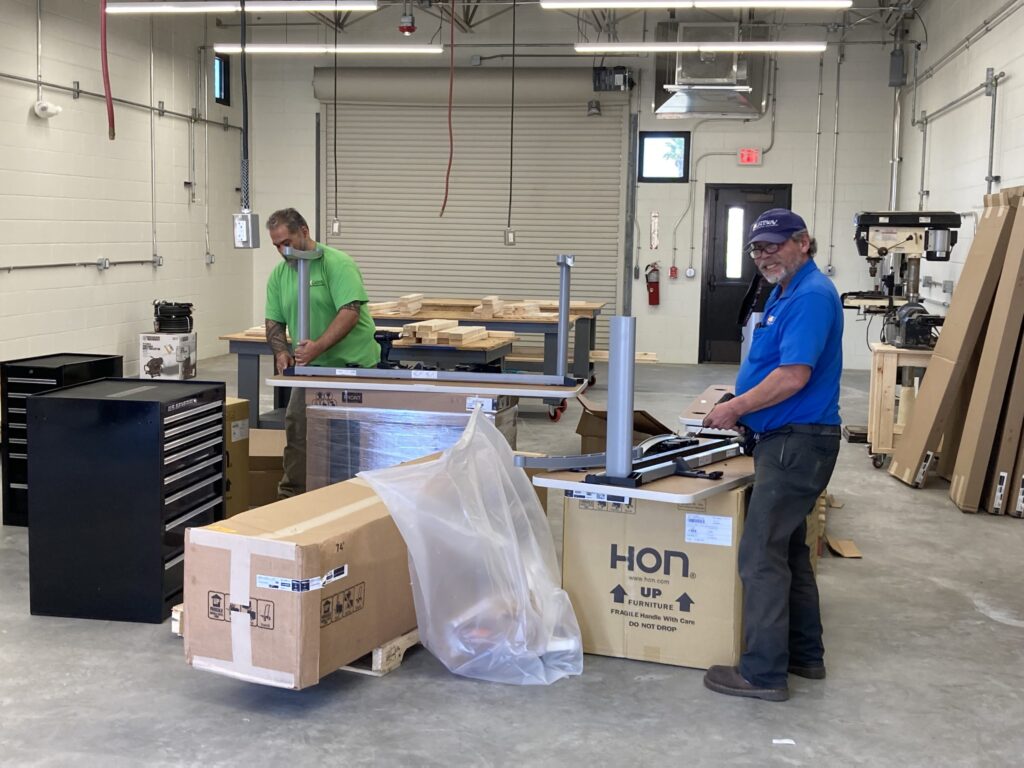
Gateway employees installing office furniture.

Choosing the right office furniture is a critical step in creating a productive, efficient, and inviting workspace for your startup or small business. By focusing on multi-functional pieces, space-saving solutions, and cost-effective yet high-quality options, you can design an office that not only meets your current needs but also has the flexibility to grow with your company. 

Gateway is here to be your trusted partner in this journey. Our extensive range of versatile and durable office furniture is designed to help you maximize your space and budget without sacrificing style or quality. We understand the unique challenges faced by startups and small businesses, and our procurement services are tailored to meet those needs. Let us help you create a workspace that fosters productivity and success without breaking the bank. 

Let Us Plan Your New Space Today! 

Flexible Benching Systems: The Future of Agile Workspaces

Flexible Benching Systems for Agile & Hybrid Workplaces

The modern workplace is evolving rapidly, with hybrid work models becoming the norm. Companies are embracing flexibility, collaboration, and adaptability—and office furniture must keep up. At Gateway, we understand that the right workspace furniture solutions can make all the difference in productivity, efficiency, and especially employee satisfaction. That’s why modular benching systems have emerged as a game-changer for agile teams. 

The Rise of Hybrid Work and the Need for Flexibility 

Hybrid work models blend remote and in-office work, requiring workspaces that can easily transition between both individual focus and team collaboration. Traditional cubicles and fixed desks no longer meet the dynamic needs of much of today’s workforce. Instead, companies are turning to Gateway to procure reconfigurable benching systems that allow seamless space planning and design adjustments based on team sizes, project requirements, and workflow changes. 

Key Benefits of Modular Benching Systems 

  • Adaptability – Unlike static workstations, benching systems can be quickly reconfigured to accommodate different team structures. Need to expand a collaborative zone or create private focus pods? Modular components make it simple. 
  • Space Efficiency – With shared workspaces becoming more common, benching systems maximize floor space without sacrificing comfort. They eliminate wasted gaps between desks, promoting a more open and efficient layout. 
  • Cost-Effective Scaling – As teams grow or shift, adding or rearranging benching components is far more economical than replacing entire workstations. 
  • Enhanced Collaboration – Low-profile partitions and shared surfaces encourage spontaneous interactions while still offering options for privacy when needed. 

Designing for Agile Teams

Every organization has unique needs, and a one-size-fits-all approach doesn’t work in today’s flexible work environments. Here’s how benching systems can be tailored to support different workstyles: 

For Collaborative Workspaces 

  • Open benching layouts with minimal dividers foster teamwork and idea-sharing. 
  • Integrated power and data ports keep devices charged without cluttering workspaces. 
  • Mobile whiteboards or monitor arms can be added for seamless brainstorming sessions. 

For Focused Work 

  • Adjustable privacy screens or acoustic panels help reduce distractions. 
  • Ergonomic seating and sit-stand options support individual productivity. 
  • Dedicated storage solutions keep personal items organized without sacrificing desk space. 

For Hybrid Schedules 

  • Hot-desking setups allow employees to choose workspaces based on their daily tasks. 
  • Lockers or shared storage units provide a place for hybrid workers to store essentials. 
  • Modular designs mean workspaces can be easily sanitized and reassigned as needed. 

Why Businesses Are Making the Switch 

Companies across industries—from tech startups to corporate offices—are adopting flexible benching systems because they align with the realities of modern work. Employees no longer want to be tethered to a single desk, and employers need solutions that can evolve with changing demands. 

A well-designed benching system isn’t just about furniture; it’s about creating a workspace that empowers employees. When teams have the freedom to configure their environment, they’re more engaged, more productive, and better equipped to innovate. 

Choosing the Right Benching System 

Gateway’s space planning and design experts work closely with you to analyze your workflow, team dynamics, and office layout, ensuring a customized benching system that maximizes efficiency and collaboration. With our expertise, you’ll create a workspace that not only fits your current needs but also adapts seamlessly as your business evolves. We offer a range of modular benching solutions designed to fit diverse workplace needs. When selecting a system, consider: 

  • Mobility – Look for lightweight yet durable components that can be easily moved. 
  • Customization – Options for varying heights, finishes, and tech integrations ensure the system fits your brand and workflow. 
  • Scalability – The best systems grow with your team, allowing for seamless expansions or reconfigurations. 

The Future of Work Is Flexible 

The shift toward hybrid and agile work models isn’t slowing down. Businesses that invest in adaptable workspaces will have a competitive edge in attracting and retaining top talent. Modular benching systems provide the foundation for a dynamic, collaborative, and future-ready office. Explore Gateway’s selection of flexible benching solutions and discover how the right design can elevate your team’s performance. 

How to Choose Brand-Aligned Office Furniture

Your office is more than just a place where work gets done—it’s a physical representation of your company and its identity. At Gateway, we understand that the office furniture you choose shapes your atmosphere, influences employee morale, and communicates your values to customers and clients. Whether your brand is sleek and modern, warm and traditional, eco-conscious and minimalist, or any combination thereof, our team helps you select pieces and products that align with your vision while enhancing functionality. 

1. Setting the Stage: How Office Furniture Defines Your Brand Identity 

Variety of fabric color samples

Every element of your office design, from the style of your desks to the color of your chairs, contributes to your brand’s visual identity. At Gateway, our commercial interior design team will help you curate a space that reflects your unique identity: 

  • Aesthetics: Our design experts guide you in selecting styles—whether modern, industrial, or classic—that embody your brand’s personality. 
  • Colors & Materials: From bold accent pieces to sustainable, eco-friendly options, we source furniture that aligns with your values. 
  • Custom Branding: Need desks with your logo or reception seating in your brand colors? We offer tailored solutions to make your space unmistakably yours. 

Let us help you create an office that leaves a lasting impression. 

2. Form Meets Function: Balancing Aesthetics and Practicality 

Collaborative zone
Private executive office
Reception Area

While aesthetics are important, functionality should never be overlooked. Before selecting furniture, assess the specific needs of different work areas. Gateway’s space planning specialists analyze your workflow to recommend layouts that maximize productivity: 

  • Collaborative Zones: We furnish open-plan areas with modular tables and flexible seating to encourage teamwork. 
  • Private Workspaces: For focus-driven tasks, we provide soundproof pods and ergonomic desks. 
  • Reception & Common Areas: Make a strong first impression with our selection of stylish yet functional lobby furniture. 

We ensure your office looks polished while supporting day-to-day operations. 

3. Designing for People: Ergonomics and Employee Well-Being 

Closeup view of person sitting in ergonomic office chair.

Your team’s comfort directly impacts their performance. Employees spend hours at their desks, so investing in ergonomic office furniture can prevent discomfort and even potential long-term health issues. At Gateway, we prioritize health-conscious design with: 

  • Ergonomic Seating: Our chairs offer adjustable lumbar support, breathable fabrics, and long-lasting comfort. 
  • Standing Desks: Encourage movement with height-adjustable workstations. 
  • Wellness-Focused Layouts: We arrange workstations to optimize natural light and reduce strain. 

Investing in your employees’ well-being pays off—and we make it easy with science-backed solutions. 

4. Cultivating Culture: Furniture That Encourages Collaboration and Focus 

Business work area with a table and white boards

Space planning is equally important. Furniture should be arranged to maximize efficiency without overcrowding. Gateway helps you design spaces that foster your ideal culture: 

  • Team-Oriented? We outfit breakout rooms with lounge seating and writable surfaces for brainstorming. 
  • Need Quiet Zones? We can install acoustic panels and private work nooks for deep focus. 
  • Hybrid Workforce? Our flexible furniture options can adapt to changing needs. 

Let us create an environment where your culture thrives. 

5. Built to Last: Why Quality and Durability Matter 

High quality, solid wood office furniture.

Office furniture is a long-term investment, so choosing durable, high-quality pieces saves money over time. Poorly constructed furniture may require frequent replacements, whereas well-crafted items withstand daily wear and tear while maintaining their appearance. Gateway only partners with manufacturers who create commercial-grade pieces designed to endure: 

  • High-Quality Materials: Solid wood, reinforced steel, and premium upholstery that withstand daily use. 
  • Warranty Protection: Many products come with extended warranties for peace of mind. 
  • Timeless Designs: Styles that stay professional for years, not trends that quickly fade. 

We help you invest wisely in furniture that performs as hard as your team does. 

6. Future-Proofing Your Workspace: Adaptable Design for Growing Businesses 

Your company evolves—your office should too. And your office furniture can either encourage or hinder the kind of workplace culture and growth you want to cultivate. Gateway specializes in scalable solutions: 

  • Modular Workstations: Easily reconfigure desks and partitions as teams expand. 
  • Multi-Functional Furniture: Foldable tables, mobile whiteboards, and stackable chairs for flexible spaces. 
  • Growth-Oriented Planning: We design with your future needs in mind, preventing costly redesigns. 

With our forward-thinking approach, your office grows seamlessly alongside your business. 

7. Final Touches: Infusing Personality into Your Office Design 

Stylish enclosed meeting room with warm natural tones, wood finishes, and a lush tropical plant.

The little details make your space feel more comfortable. And adding personality to your office reinforces company culture and makes the space more inviting. Gateway helps you add those finishing touches: 

  • Custom Art & Branding: Wall graphics, logo-printed floor mats, and promotional products. 
  • Biophilic Design: Live greenery and natural materials to boost mood and creativity. 
  • Signature Accents: Unique lighting, textured fabrics, and statement pieces that reflect your vibe and integrate company color schemes. 

We don’t just furnish offices—we help you create an environment that inspires. 

Let Gateway Design a Workspace That Works for You 

Interior designers at computers

Choosing office furniture is about more than filling a space—it’s about crafting an environment that empowers your team, impresses clients, and grows with your business. At Gateway, we combine expert design guidance, premium products, and tailored solutions to bring your vision to life. Contact us today for a consultation, and let’s build a workspace that reflects the best of your company—where productivity and culture thrive together. 

Your Perfect Office Awaits

Designing a Hybrid Office That Works for Everyone 

The modern workplace isn’t what it used to be. Gone are the days when employees clocked in, sat at the same desk, in the same cubicle, five days a week. Today’s workforce expects flexibility—the freedom to work from home some days and collaborate in the office on others. This shift means businesses need to rethink office design, creating spaces that are just as effective for the employee joining via Zoom as the one sitting across the table. 

At Gateway, we understand that a successful hybrid office isn’t just about squeezing in more desks—it’s about crafting an environment where people actually want to work. That means balancing flexibility with functionality, tech with comfort, and collaboration with focus. Here’s how to design a space that bridges the gap between remote and in-office work seamlessly.  

Why Hybrid Work Demands a New Approach to Office Design 

Hybrid office setting

Hybrid work is more than a trend—it’s the new normal. Studies show that employees now prioritize flexibility as much as salary when considering a job. But with teams splitting time between home and the office, companies face a challenge: how do you design a workspace that feels purposeful rather than obligatory? 

The answer lies in creating an office that offers something employees can’t get at home—better collaboration, smarter technology, and spaces that adapt to different needs. After all, if the office is just rows of silent desks and awkward conference calls, why would anyone bother coming in? 

Key Principles for a Hybrid-Ready Office 

Office collaborating area

1. Flexibility is Everything 

The biggest mistake companies make is assuming hybrid work just means fewer people in the office at once. In reality, it means workstyles change daily—one day, an employee might need deep focus, and the next, they could be leading a team brainstorm. 

That’s why rigid assigned seating no longer makes sense. Instead, opt for activity-based workspaces: adjustable desks for those who like to switch between sitting and standing, quiet nooks for concentration, and shared tables for impromptu teamwork. The goal is to give employees choice, so they can work the way they work best—whether that’s solo or side by side. 

2. Spaces That Encourage Real Connection 

If the office is going to compete with the comfort of home, it needs to offer something home can’t: effortless collaboration. That means moving beyond the traditional boardroom and creating zones that foster natural interaction. 

Small, tech-equipped huddle rooms make it easy for hybrid teams to meet without fuss, while lounge areas with whiteboards or screens encourage casual idea-sharing. Even something as simple as a well-placed coffee bar can become a hub for unplanned conversations—the kind that often lead to breakthroughs. 

3. Technology That Just Works 

Nothing derails productivity faster than technical difficulties. If remote teammates constantly struggle to hear or be heard, they’ll quickly disengage. The fix? Invest in intuitive tools that make hybrid collaboration feel natural. 

High-quality video conferencing systems, wireless screen-sharing, and digital whiteboards ensure everyone—whether in the room or online—can contribute equally. And with smart room-booking systems, employees can reserve spaces in advance, eliminating the frustration of hunting for an open meeting spot. 

4. Comfort That Keeps People Around 

An office that’s functional but uncomfortable won’t keep employees coming back. Ergonomic chairs, adjustable lighting, and thoughtful acoustics all contribute to a space where people can do their best work without distraction. 

Even small touches—ample power outlets, plants for a bit of life, or a mix of seating options—can make the office feel more inviting. After all, if employees are choosing to commute in, the experience should be worth the trip. 

The Future of Work is Flexible 

The best hybrid offices don’t just accommodate change—they embrace it. By designing spaces that adapt to different workstyles, foster real connection, and leverage technology seamlessly, companies can create workplaces that employees genuinely want to use. 

At Gateway, we specialize in helping businesses navigate this shift. Whether you’re redesigning an entire floor or just rethinking a few key areas, we can help you design a hybrid-ready office that works for everyone—no matter where they’re logging in from.  

Ready to make your office a place people choose to work? Let’s talk.