The Evolution of Office Furniture: From Traditional Desks to Modern Workspaces

Office furniture has come a long way since the days of bulky wooden desks and rigid filing cabinets. The way we work has transformed dramatically—and so has the furniture that supports it. At Gateway, we’ve seen firsthand how design trends shift to meet the needs of different industries, from corporate offices to healthcare, education, and hospitality. 

Let’s take a quick journey through the evolution of office furniture and explore how modern innovations and solutions are shaping today’s workspaces. 

The Traditional Office: Function Over Flexibility 

Early century office.

In the early 20th century, offices were designed for hierarchy and efficiency. Think: heavy oak desks, high-walled cubicles, and rows of identical chairs—all built for individual, task-focused work. This setup worked well for traditional corporate environments where privacy and formality were prioritized. 

While this style still has its place in certain industries (like law firms or government offices, where confidentiality is key), many businesses have moved toward more dynamic, people-centric designs. 

The Shift to Modern Workspaces 
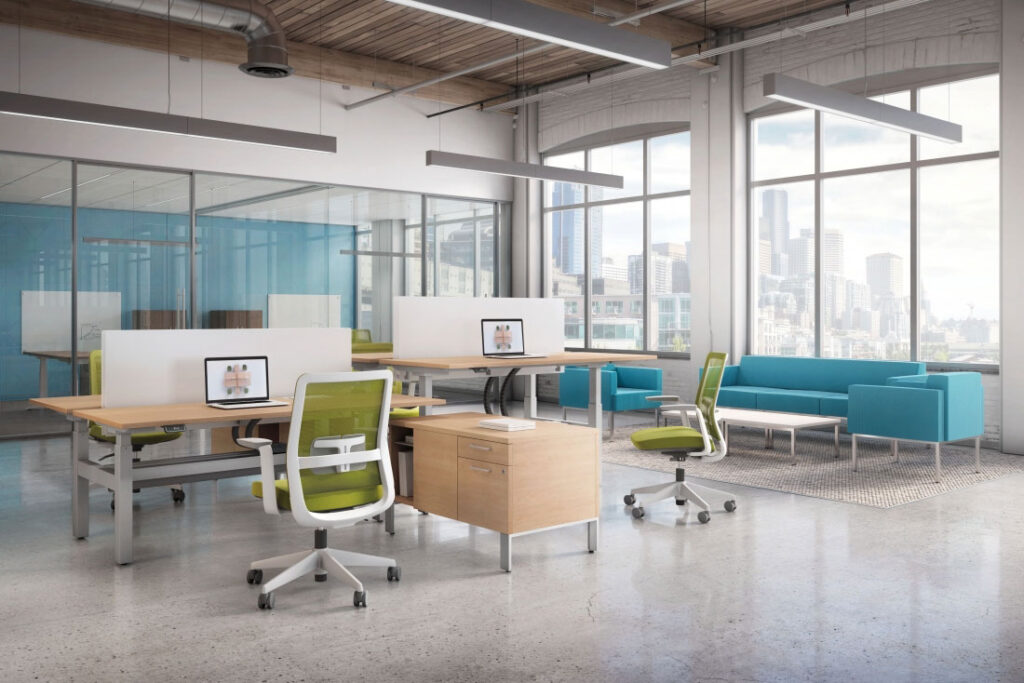
Modern office with workstations and couch.
Two people working on laptop on lounge
Student desk with built in electrical power solutions.

As workplace culture evolved, so did furniture design. Open floor plans, collaborative spaces, and ergonomic solutions became the new standard. Here’s how modern office furniture caters to different industries: 

1. Collaborative Workstations for Corporate & Tech Spaces 

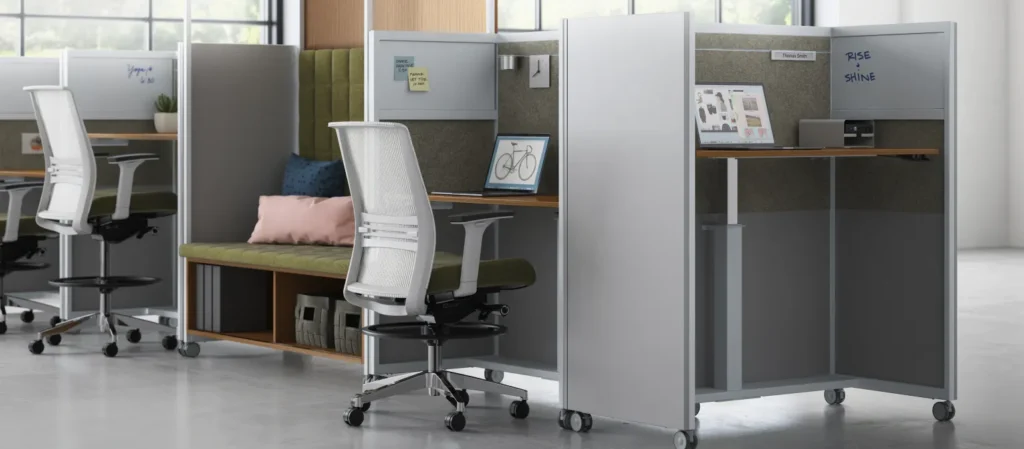
Today’s corporate and tech companies thrive on teamwork. Modular workstations with adjustable desks, writable surfaces, and integrated power outlets encourage brainstorming and flexibility. Gone are the days of isolated cubicles—now, teams can easily shift from focused work to group discussions without missing a beat. 

What’s particularly interesting is how these designs have incorporated biophilic elements—natural wood finishes, living green walls, and ample natural light—to boost creativity and reduce workplace stress. Studies show that employees in thoughtfully designed collaborative spaces report higher job satisfaction and productivity. 

2. Lounge Seating for Creative & Hospitality Environments 

Creative agencies, coworking spaces, and hospitality businesses benefit from lounge-style seating—think sofas, café-height tables, and casual meeting pods. These setups foster a relaxed yet productive atmosphere, making them ideal for client meetings or informal team huddles. 

The psychology behind these spaces matters too. Soft seating arrangements in curved formations promote more open communication compared to traditional rectangular conference tables. Many modern lounge areas now incorporate acoustic panels and subtle zoning to create intimate spaces within larger open areas. 

3. Tech-Integrated Furniture for Education & Healthcare 

Schools, universities, and medical facilities need furniture that keeps up with technology. Height-adjustable desks for nurses, charging stations in classrooms, and mobile workstations for hospital staff ensure seamless functionality in fast-paced environments. 

In healthcare, we’re seeing a surge in antimicrobial surfaces and easy-to-clean materials—a necessity in post-pandemic design. Educational spaces now frequently feature furniture with built-in device management, allowing students to transition smoothly between digital and analog learning. 

4. Hybrid Solutions for Modern, Evolving Workforces 

With remote and hybrid work here to stay, offices now require adaptable furniture—hot-desking stations, Zoom-ready meeting booths, and soundproof phone pods help employees transition smoothly between home and office. 

The most successful hybrid spaces incorporate “neighborhood” concepts—dedicated zones for different work modes. Quiet focus areas sit alongside collaborative hubs, with flexible furniture that can be reconfigured as needs change throughout the day. Many companies are opting for lightweight, modular pieces on casters that can transform a space in minutes. 

The Right Furniture for Your Evolving Company 

No two workspaces are the same. A law firm may need classic, professional desks for a polished look, while a startup might prioritize movable whiteboard tables for agile thinking. At Gateway, we help businesses across every sector by designing offices that reflect their culture, enhance productivity, and support their team’s well-being. 

The key is understanding how your team actually works.  

  • Do they need heads-down focus spaces?  
  • Impromptu collaboration areas?  
  • Client presentation zones?  

The best office designs start with observing work patterns before selecting furniture solutions. 

Whether you’re furnishing a corporate headquarters, a clinic, a university, or a boutique hotel, the right furniture makes all the difference. Our design experts can help you create a space that balances functionality, aesthetics, and the unique needs of your team. After all, your workspace should inspire your best work—not just contain it. 

Ready To Transform Your Office?

Designing a Hybrid Office That Works for Everyone 

The modern workplace isn’t what it used to be. Gone are the days when employees clocked in, sat at the same desk, in the same cubicle, five days a week. Today’s workforce expects flexibility—the freedom to work from home some days and collaborate in the office on others. This shift means businesses need to rethink office design, creating spaces that are just as effective for the employee joining via Zoom as the one sitting across the table. 

At Gateway, we understand that a successful hybrid office isn’t just about squeezing in more desks—it’s about crafting an environment where people actually want to work. That means balancing flexibility with functionality, tech with comfort, and collaboration with focus. Here’s how to design a space that bridges the gap between remote and in-office work seamlessly.  

Why Hybrid Work Demands a New Approach to Office Design 

Hybrid office setting

Hybrid work is more than a trend—it’s the new normal. Studies show that employees now prioritize flexibility as much as salary when considering a job. But with teams splitting time between home and the office, companies face a challenge: how do you design a workspace that feels purposeful rather than obligatory? 

The answer lies in creating an office that offers something employees can’t get at home—better collaboration, smarter technology, and spaces that adapt to different needs. After all, if the office is just rows of silent desks and awkward conference calls, why would anyone bother coming in? 

Key Principles for a Hybrid-Ready Office 

Office collaborating area

1. Flexibility is Everything 

The biggest mistake companies make is assuming hybrid work just means fewer people in the office at once. In reality, it means workstyles change daily—one day, an employee might need deep focus, and the next, they could be leading a team brainstorm. 

That’s why rigid assigned seating no longer makes sense. Instead, opt for activity-based workspaces: adjustable desks for those who like to switch between sitting and standing, quiet nooks for concentration, and shared tables for impromptu teamwork. The goal is to give employees choice, so they can work the way they work best—whether that’s solo or side by side. 

2. Spaces That Encourage Real Connection 

If the office is going to compete with the comfort of home, it needs to offer something home can’t: effortless collaboration. That means moving beyond the traditional boardroom and creating zones that foster natural interaction. 

Small, tech-equipped huddle rooms make it easy for hybrid teams to meet without fuss, while lounge areas with whiteboards or screens encourage casual idea-sharing. Even something as simple as a well-placed coffee bar can become a hub for unplanned conversations—the kind that often lead to breakthroughs. 

3. Technology That Just Works 

Nothing derails productivity faster than technical difficulties. If remote teammates constantly struggle to hear or be heard, they’ll quickly disengage. The fix? Invest in intuitive tools that make hybrid collaboration feel natural. 

High-quality video conferencing systems, wireless screen-sharing, and digital whiteboards ensure everyone—whether in the room or online—can contribute equally. And with smart room-booking systems, employees can reserve spaces in advance, eliminating the frustration of hunting for an open meeting spot. 

4. Comfort That Keeps People Around 

An office that’s functional but uncomfortable won’t keep employees coming back. Ergonomic chairs, adjustable lighting, and thoughtful acoustics all contribute to a space where people can do their best work without distraction. 

Even small touches—ample power outlets, plants for a bit of life, or a mix of seating options—can make the office feel more inviting. After all, if employees are choosing to commute in, the experience should be worth the trip. 

The Future of Work is Flexible 

The best hybrid offices don’t just accommodate change—they embrace it. By designing spaces that adapt to different workstyles, foster real connection, and leverage technology seamlessly, companies can create workplaces that employees genuinely want to use. 

At Gateway, we specialize in helping businesses navigate this shift. Whether you’re redesigning an entire floor or just rethinking a few key areas, we can help you design a hybrid-ready office that works for everyone—no matter where they’re logging in from.  

Ready to make your office a place people choose to work? Let’s talk.

Small Space, Big Potential: Smart Solutions to Maximize Your Workspace

In today’s fast-evolving work environment, many businesses—whether startups, remote teams, or growing enterprises—find themselves working with limited office space. A cramped workspace can hinder productivity, creativity, and even employee morale. But with smart planning, strategic furniture choices, and creative layouts, even the smallest office can feel open, efficient, and inspiring. 

At Gateway, we specialize in helping businesses make the most of their space—without compromising on style or functionality. Below, we’ve put together practical, no-nonsense tips to transform your compact office into a highly functional workspace. 

Commercial Interior Design from Gateway

1. Double the Function: Multi-Functional Furniture

Multifunctional tables converted into a meeting room.

When square footage is limited, every piece of furniture should pull double duty. Instead of bulky, single-purpose items, opt for smart designs that combine storage, seating, and workspace into one. 

  • Desks with Built-In Storage: Skip the traditional desk and choose one with drawers, shelves, or even a fold-down surface to save space. 
  • Convertible Tables: Need a meeting area that disappears when not in use? A fold-out or nesting table keeps your floor plan flexible. 
  • Storage Seating: Ottomans, benches, and even chairs with hidden compartments provide extra seating and let you stash away office supplies. 

By selecting furniture that serves multiple needs, you reduce clutter and free up valuable real estate. 

2. Flexible by Design: How Modular Furniture Adapts to Your Changing Needs 

cubicles provide space to work

Static furniture can make a small office feel rigid and cramped. Modular designs, on the other hand, let you reconfigure your space as needs evolve. 

  • Modular Workstations: Instead of fixed desks, consider units that can be rearranged for collaboration or solo work. 
  • Adjustable Shelving: Wall-mounted or freestanding systems can be customized to fit your storage needs without eating up floor space. 
  • Mobile Carts & Dividers: Rolling desks, portable whiteboards, and movable partitions allow for quick transformations without a full redesign. 

Remember, go with furniture that grows with your business—not against it. 

3. Look Up! Creative Ways to Use Vertical Space for Storage & Style 

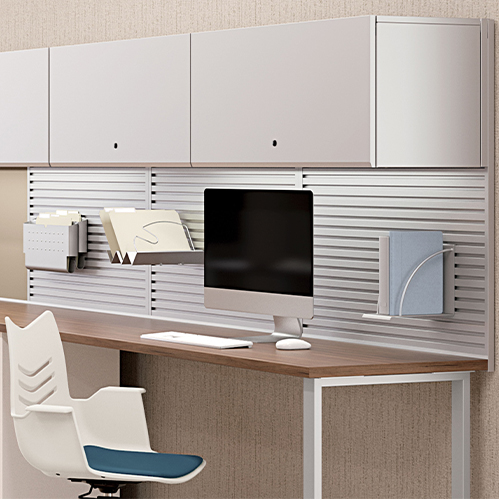
Compact workstation with pegboard and upper storage cabinets.

When floor space runs out, think up, literally. Walls and even ceilings offer untapped potential for storage and organization. 

  • Floating Shelves & Wall-Mounted Cabinets: Keep essentials accessible without crowding desks. 
  • Pegboards & Grid Panels: Perfect for hanging supplies, notes, or small tools—they’re functional and visually appealing. 
  • Tall Bookcases & Vertical File Systems: Maximize storage without expanding outward. 

Vertical solutions keep your workspace open and airy while ensuring everything has its place. 

4. Light, Bright, & Right: Design Tricks to Make Your Office Feel Larger 

use of lighting in office spaces

A well-lit, visually open space feels bigger—even if the square footage stays the same. 

  • Light Colors & Reflective Surfaces: Incorporate soft neutrals, whites, and glass or acrylic finishes to enhance brightness. 
  • Mirrors: Strategically place them to reflect light and create depth. 
  • Layered Lighting: Combine overhead, task, and accent lighting to eliminate dark corners. 

Even in a small office, the right aesthetic choices can make a dramatic difference. 

5. The Flow Factor: Smart Layouts That Make Every Inch Count 

Small office space with workstations and collaborative areas.

A thoughtful floor plan ensures smooth movement and minimizes wasted space. 

  • Open Zones: Keep high-traffic areas clear of obstructions. 
  • Corner Utilization: Place desks or storage in underused corners to maximize efficiency. 
  • Hybrid Workstations: Combine seating and storage in compact arrangements to serve multiple employees. 

A well-organized layout makes a small office feel intentional—not cramped. 

6. Less Clutter, More Productivity: Simple Habits to Keep Your Small Office Tidy 

Customer filling out electronic form on tablet.

No matter how efficient your furniture is, clutter will always make a space feel smaller. 

  • Go Digital: Reduce paper usage with cloud storage and digital tools. 
  • The 80/20 Rule: Keep only your daily essentials within reach; store everything else. 
  • Regular Decluttering: Routinely reassess supplies and furniture and get rid of whatever you no longer need. 

A clean workspace enhances both productivity and the perception of space. 

Gateway: Big Ideas for Small Spaces 

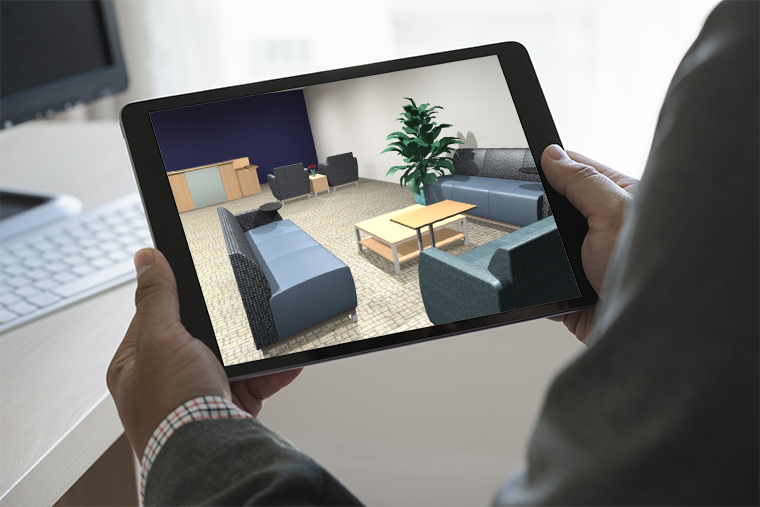
Man looking at 3D rendering on tablet.

At Gateway, we design office layouts that help businesses thrive—no matter their size. From modular workstations to space-saving storage, our furniture and supplies options blend smart functionality with modern aesthetics. Whether you’re furnishing a home office, a startup hub, or a corporate satellite space, we offer thoughtfully curated pieces that adapt to your needs without overwhelming your environment.  

A compact office doesn’t have to mean limited potential. With the right strategies—multi-functional furniture, modular flexibility, vertical storage, and smart layouts—you can create a workspace that feels open, organized, and inspiring. 

Ready to transform your office? Let’s make every square foot count.  

Get in With Gateway